Room Ai
You know that moment when you walk into a room and can feel that something is off, but you can’t quite name it? That’s where room ai starts to become useful: it helps you test a clearer direction before you buy the wrong sofa, repaint the walls, or commit to a rug that swallows the floor. In a good design process, you’re not guessing from a showroom floor; you’re seeing how your actual windows, light, and proportions hold up with different materials and styles. Tigmi keeps the bones of your space intact, so you can explore ideas without losing the architecture that already makes the room yours.
First render free • Uploads stay private. Delete any time.
- Instant results
- Room Lock™
- Light Lock™
- Style Engine™

How it works
Three simple steps to transform your space
Upload photo
Drag & drop your room photo or click to browse
Pick style
Choose from 16 designer-curated styles
Get results
Download photorealistic redesign in minutes
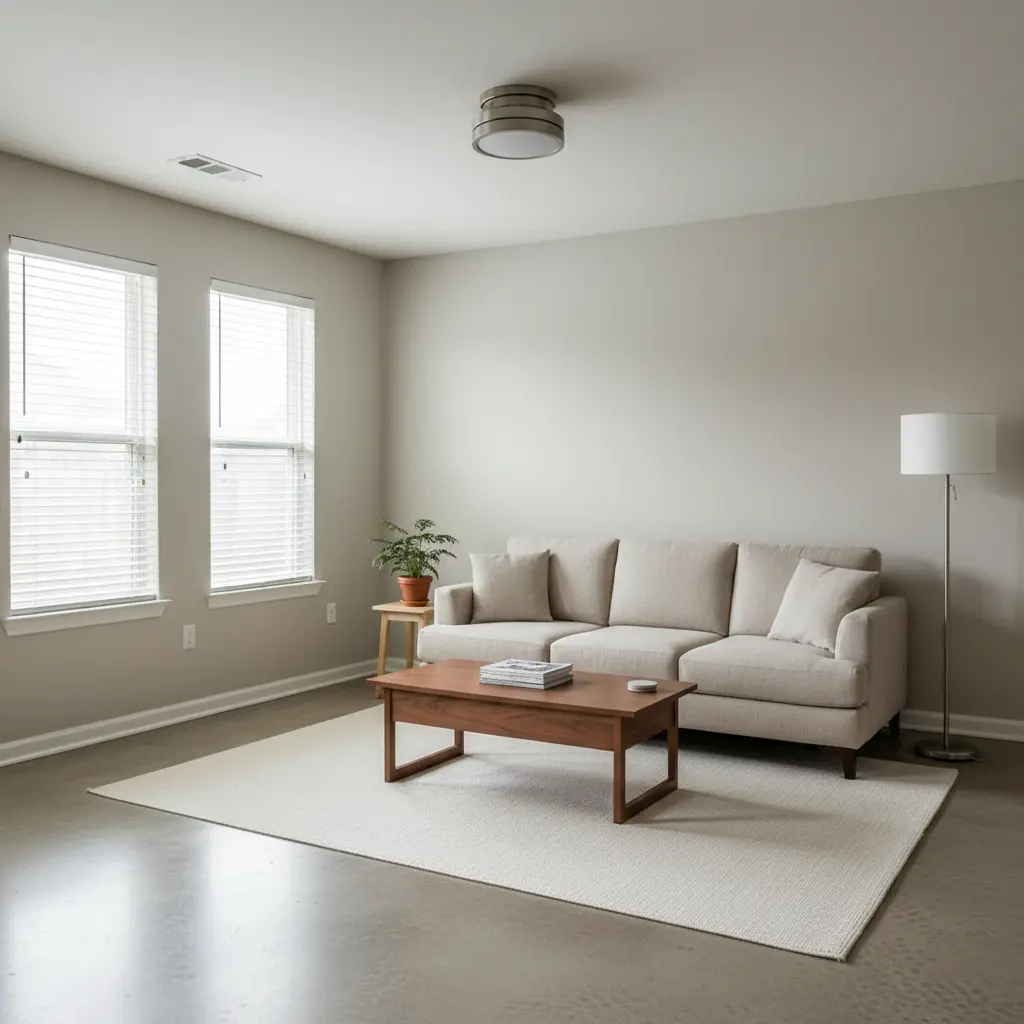
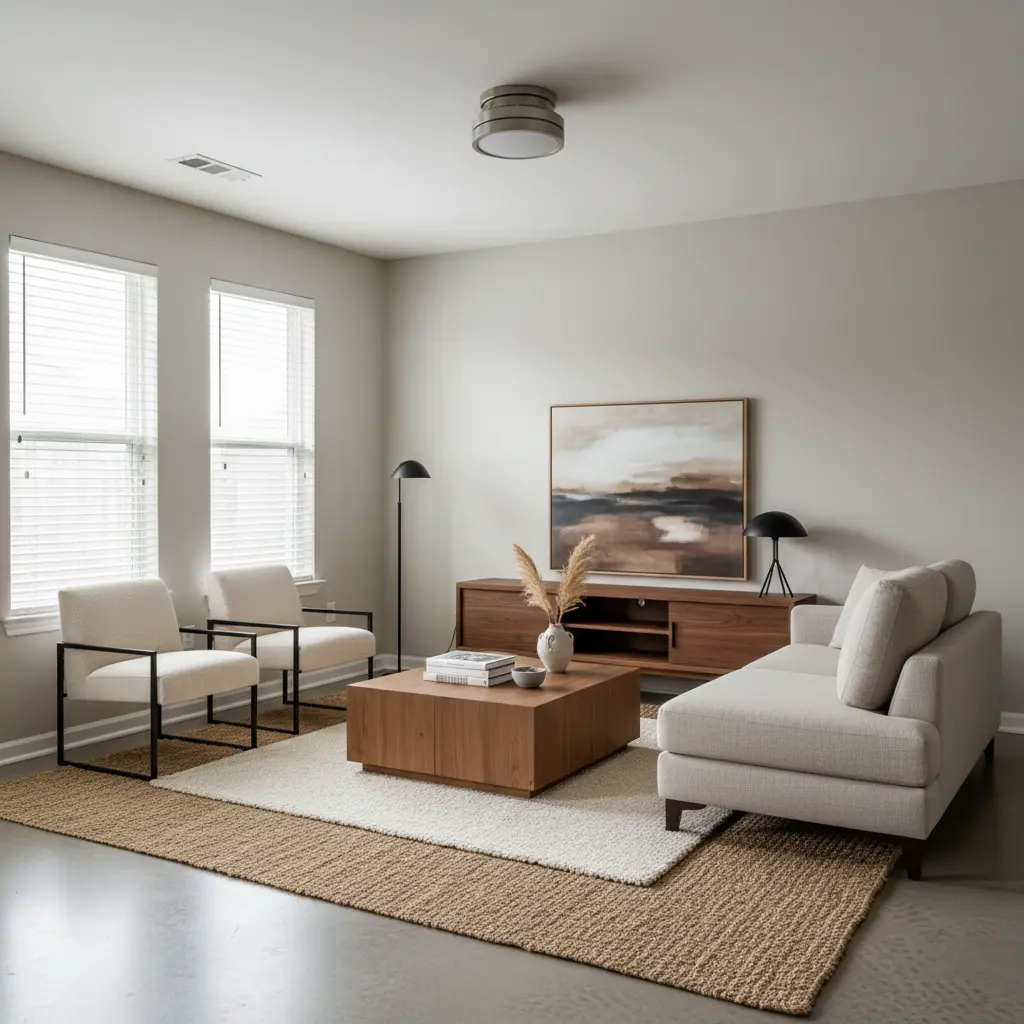
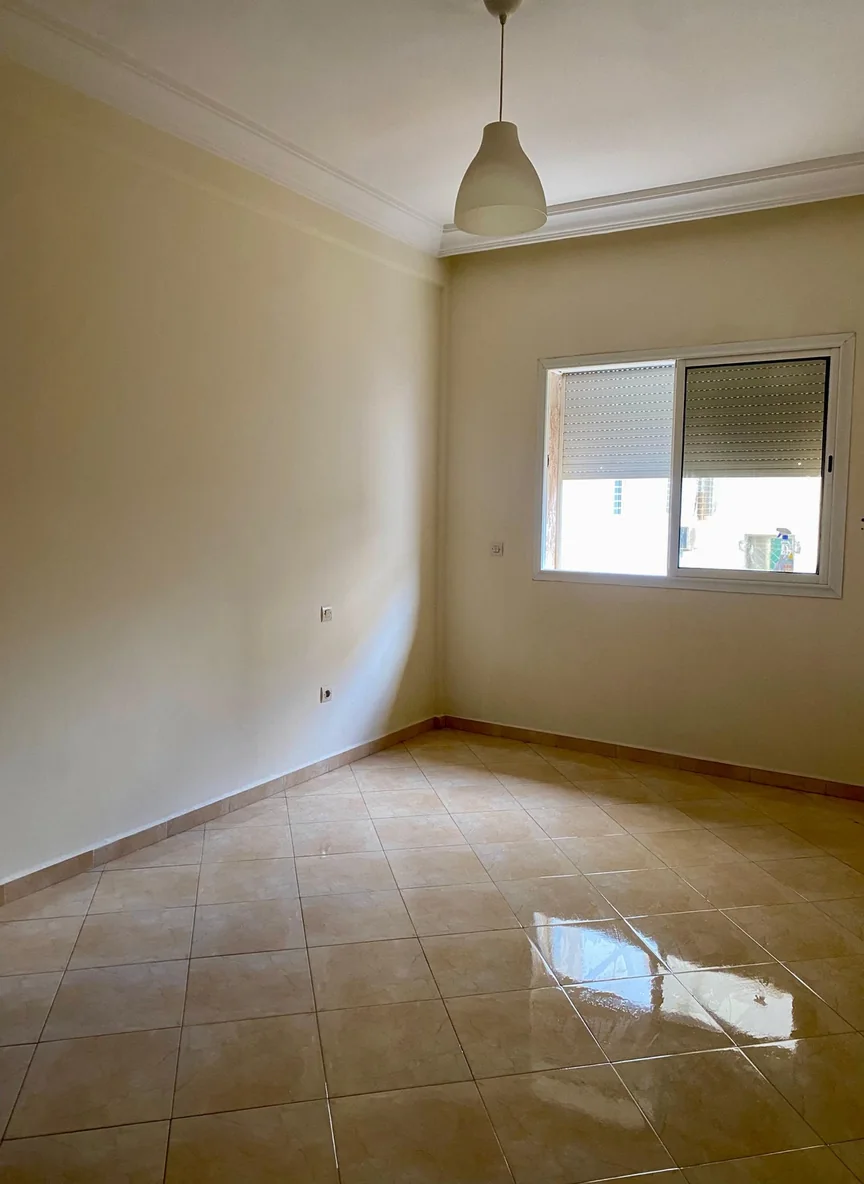
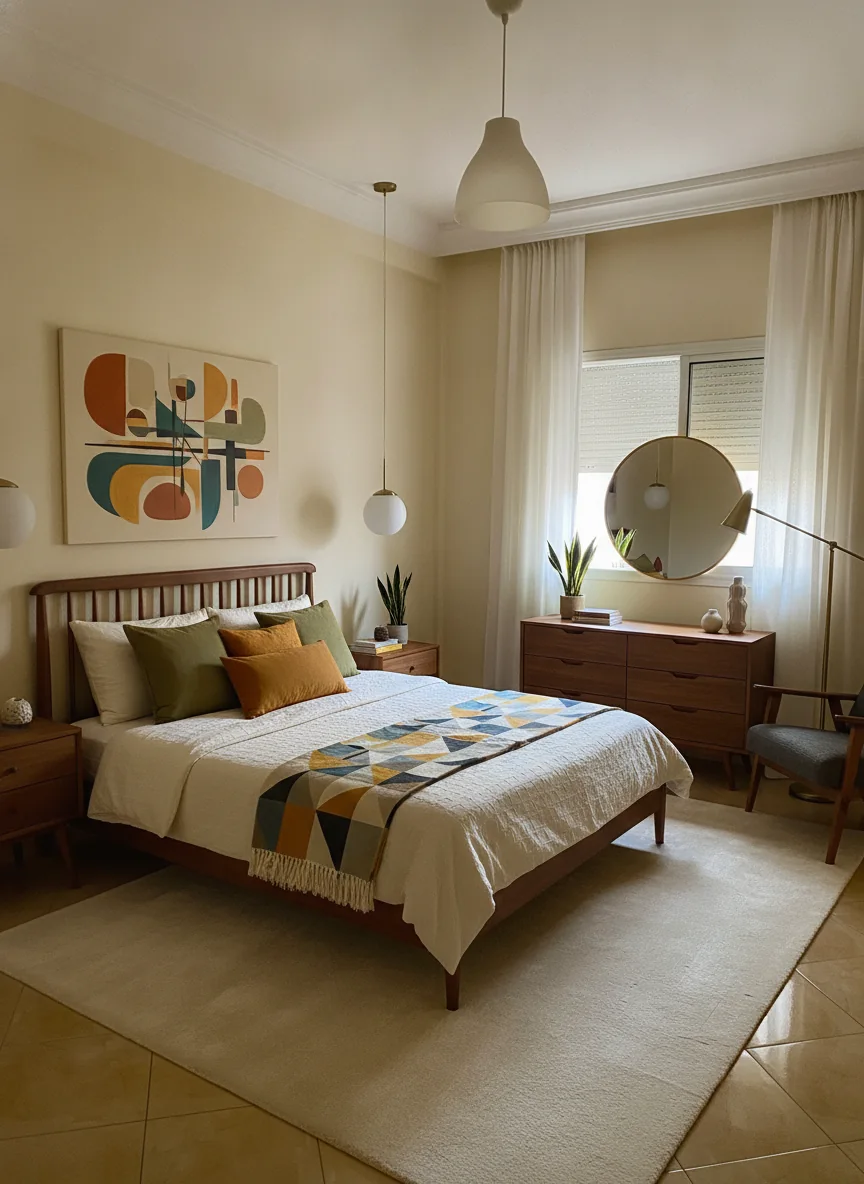
See the transformation
Real rooms, real results. Our AI preserves your architecture while creating stunning makeovers.
Bedroom Redesign: Transformed a cluttered bedroom into a modern, minimalist haven.
What our AI preserves
- ✓
Room proportions
Ceiling height, wall dimensions, and spatial relationships
- ✓
Natural lighting
Window placement, light direction, and shadows
- ✓
Architectural details
Moldings, built-ins, and structural elements
- ✓
Camera angle
Maintains your original perspective and framing
Ready to transform your space?
Upload your room photo and see the magic happen in minutes.
Try it free nowRoom Ai Decor Guide
You know that moment when you walk into a room and can feel that something is off, but you can’t quite name it? That’s where room ai starts to become useful: it helps you test a clearer direction before you buy the wrong sofa, repaint the walls, or commit to a rug that swallows the floor. In a good design process, you’re not guessing from a showroom floor; you’re seeing how your actual windows, light, and proportions hold up with different materials and styles. Tigmi keeps the bones of your space intact, so you can explore ideas without losing the architecture that already makes the room yours.
Tigmi's AI design studio helps you turn room ai into a real-room plan, so you can explore finishes, lighting, and layout before you commit.
Understanding Room Ai
The most useful part of room ai is not the novelty of seeing a room change fast; it’s the way it clarifies proportion, texture, and light before you spend a cent. A 3.0m by 4.2m living room, for example, can handle a 240cm sofa, but only if the coffee table stays lean—around 60cm deep—and the rug extends at least 20cm beyond the sofa arms. Materials matter just as much as scale: white oak with a matte finish softens a bright room, while Carrara marble adds a cool, crisp note that works beautifully with linen drapery and brushed brass. Color also shifts the mood in a major way; think warm white, mushroom beige, muted olive, or ink blue rather than vague “neutral” labels. Trends are moving toward tactile restraint: plaster-like wall finishes, bouclé upholstery, slubby linen, and handmade ceramics that keep a room from feeling too polished. The best results happen when the palette feels edited, not decorated.
A common mistake is choosing a style that looks good in isolation but ignores what the room actually needs. A narrow bedroom with a low ceiling will feel heavier if you load it with dark wood, thick velvet, and oversized pendant lighting; instead, keep bedside tables under 45cm wide and use wall-mounted sconces to free the surface. In kitchens and entryways, people often underestimate how much visual clutter comes from too many finishes, so limiting yourself to two main materials and one accent metal usually creates a calmer result. Budget also changes the strategy: if you can only make a few upgrades, start with the largest visual plane, usually paint, then the rug, then lighting, because those three moves shift the whole room faster than replacing every chair. For rental spaces, removable wallpaper, slipcovered seating, and oversized art leaned rather than hung can deliver a finished look without permanent changes. You can apply the same logic to a home office, where a 160cm desk, a task lamp with a warm bulb, and one grounded textile underfoot can make the room feel intentional instead of temporary.
Technology has changed how people make design decisions because it removes the slow, expensive part of trial and error. Instead of building a mood board and hoping it translates, you can see how a walnut console, a boucle chair, or a limewashed wall reads against your actual daylight and trim color. That matters because north-facing rooms, for instance, can make cool grays feel flat, while south-facing spaces often tolerate deeper, earthier tones like terracotta or forest green. Tigmi helps you test these directions in your own room before committing, which is especially useful if you’re deciding between two very different looks such as Japandi calm and Moroccan vibrance. The real value is confidence: you can compare options side by side, keep the architecture consistent, and choose the version that suits the room rather than forcing the room to suit the trend. For homeowners, that means fewer expensive mistakes; for designers, it means faster client approvals; for agents, it means showing buyers a space with more emotional pull.
Style inspiration
Japandi Calm with Soft Contrast
Pair white oak flooring with a low-profile linen sofa in oatmeal, then add a blackened ash side table and a single bouclé accent chair for texture. Keep the palette anchored in warm white, pale taupe, and muted charcoal so the room feels quiet rather than stark. This combination works because the wood grain and tactile textiles soften hard lines, while the dark accents keep the composition from washing out.
Classic Elegance with a Fresh Edge
Use a soft ivory wall color, a tailored sofa in moss velvet, and a marble-topped coffee table with slender antique brass legs. Add pleated lampshades and a wool rug in a faded camel tone to bring warmth without visual heaviness. The result feels composed and timeless, with just enough sheen and contrast to keep the room from feeling overly formal.
Coastal Breeze with Architectural Lightness
Choose sand-toned oak, slipcovered seating in natural flax, and pale ceramic accessories in chalk white and sea glass blue. A striped flatweave rug and rattan occasional chair add movement without making the room busy. This pairing works because the palette stays airy, while the natural textures give the space the relaxed softness of a room that catches morning light.
Loft Industrial with Warmth
Balance exposed brick or concrete with a camel leather chair, smoked oak shelving, and matte black lighting. Bring in a deep rust throw and a charcoal wool rug to keep the room grounded rather than cold. The contrast between rough surfaces and rich textiles creates depth, which is what keeps industrial interiors from feeling unfinished.
Materials & Palette Cues
- • Limewashed oak in a matte finish — pair it with linen upholstery and raw brass fixtures in living rooms or bedrooms to reflect soft ambient light while keeping the atmosphere warm and grounded.
- • Bouclé fabric in ivory or stone — use it on accent chairs or headboards alongside walnut wood and brushed steel to add tactile softness without making the room feel heavy.
- • Tadelakt or plaster-style wall finish in chalk white — works well behind curved furniture, pale timber, and ceramic lighting because it diffuses light and gives walls a hand-finished depth.
- • Carrara marble with subtle gray veining — best for side tables, consoles, or kitchen islands where you want a cooler counterpoint to oak, linen, or leather.
- • Wool flatweave rugs in camel, slate, or muted olive — ideal for defining seating zones and absorbing sound while keeping circulation visually clean.
Designer's Tip
After 15 years of designing rooms, I’ve learned that the fastest way to ruin a concept is mixing too many undertones in one space. Keep your warm woods, metals, and textiles in the same family—think honey oak with aged brass and cream linen, or walnut with blackened steel and stone gray—so the room reads as intentional rather than assembled piece by piece.
Layout & Styling Moves
- Keep the main seating group within a 2.5m conversation radius, and choose a rug that extends at least 15cm past the sofa on both sides so the arrangement feels anchored.
- Leave 75cm to 90cm of clearance for primary walkways, especially between a coffee table and a sofa or between a bed and the wall, so the room feels easy to move through.
- If your room is under 14 square meters, use one tall vertical element such as a floor lamp or narrow bookcase rather than several small pieces; it draws the eye upward and reduces visual noise.
- In open-plan spaces, repeat one material three times—such as oak, black metal, or linen—at different heights to create rhythm and keep each zone connected.
Pros & Cons
+ Advantages
- + You can test multiple design directions before buying, which reduces costly mistakes like choosing a sofa that overwhelms the room.
- + It helps you see how real light affects finishes, so you can tell whether a paint color turns muddy or a wood tone feels too yellow.
- + It speeds up decision-making for homeowners, designers, and agents by turning abstract ideas into side-by-side comparisons.
- + It preserves the room’s architecture, which means you can focus on style choices without losing track of windows, ceiling height, or natural proportions.
- Considerations
- - The best result still depends on good input photos, so poor lighting or a cluttered room can distort the outcome.
- - A fast visual test can make it tempting to skip material samples, but you still need to feel fabrics and see paint in person before finalizing.
- - Very small rooms may need extra care because scale mistakes become obvious quickly, especially with oversized furniture or dark palettes.
Design snapshot
Quick cues to keep room ai consistent across rooms, budgets, and shopping lists.
- Input quality: a well-lit, clutter-free photo gives room ai tools the best starting point for accurate renders.
- Prompt structure: describe style + materials + lighting + mood in that order for the most coherent results.
- Iteration strategy: change only one element per render to understand what each variable contributes.
- Render comparison: generate 3-5 room ai variations and rank them before committing to one direction.
- Reality check: overlay the render against your floor plan to catch scale issues early.
- Sharing tip: export your best render as a visual brief for contractors, painters, and furniture retailers.
Design checklist
Use this checklist to keep room ai cohesive from the first render to the final styling pass.
- Upload a clear, well-lit photo of the room you want to redesign - angle and natural light matter for accurate AI renders.
- Start with a simple prompt describing the style you want, then iterate by adjusting one variable at a time (color, material, layout).
- Use the AI render as a design brief, not a shopping list - it shows direction, not exact products.
- Compare 3-4 different room ai render variations before locking in a direction.
- Save your best prompts so you can reuse them for other rooms and maintain a consistent style throughout the home.
- Check the render against your room's actual dimensions - AI can suggest layouts that do not fit the real footprint.
- Share the AI render with contractors or retailers to communicate your vision more clearly than words alone.
Prompt starters
Use these Tigmi prompts to explore room ai variations quickly.
- room ai, photorealistic render, warm afternoon light, clean composition, magazine quality.
- room ai, before and after comparison, same angle, dramatic transformation, neutral to styled.
- room ai, multiple style options in one room, side by side, modern vs classic vs boho.
- room ai, empty room to fully furnished, staged for real estate, bright and inviting.
Bring it to life
Use this action plan to turn room ai renders into real-world decisions.
- Upload your room photo and generate 3-5 room ai variations with different prompts.
- Compare the renders side by side and pick the direction that feels most achievable and aligned.
- Extract a material list from the winning render: note the flooring, wall treatment, key furniture shapes.
- Share the render with your household or contractor to align everyone before any purchases.
Workflow tips
Use Tigmi to test the room ai direction quickly, then lock in the details that feel right for the way you live.
-
1
Upload a clear photo of the room, then choose a style preset that matches your goal, such as Modern Haven, Japandi Calm, or Coastal Breeze.
-
2
Use room lock so the architecture stays consistent while you test different furniture, finishes, and color directions.
-
3
Generate a few versions and compare them side by side, paying attention to how the window light, ceiling height, and floor tone change the feel of each option.
-
4
Save the strongest direction, then use before/after comparisons to narrow down what you’ll actually source, from paint swatches to sofa dimensions.
Key Takeaways
-
1
Start with the room’s proportions and daylight, not the trend you saw last week.
-
2
Limit yourself to a small material story: one wood, one metal, one main textile, one accent finish.
-
3
Use the largest surfaces first—walls, rug, sofa, flooring—because they control the room’s overall mood.
-
4
Compare options in your actual space before buying, especially if you’re deciding between very different styles.
Frequently Asked Questions
What is room ai used for?
Room ai is used to preview interior design ideas in your actual space before you buy anything. It helps you test furniture layouts, color palettes, and material combinations so you can avoid expensive mistakes and choose a direction that fits the room’s real proportions.
Can room ai help me choose a paint color?
Yes, room ai can help you compare paint colors in context, which is where most bad decisions happen. A color like warm white may look clean in a chart but turn gray in a north-facing room, while a clay or mushroom tone may feel richer once it catches natural light.
Does room ai work for small rooms?
Yes, room ai is especially useful for small rooms because scale matters more when space is tight. You can test slimmer furniture, lighter palettes, and wall-mounted storage before committing, which helps a compact room feel open rather than crowded.
How do I make a room look more expensive without spending a lot?
Focus on texture, proportion, and lighting rather than buying more decor. A well-sized rug, linen curtains that touch the floor, and a single statement lamp often make a bigger difference than several small accessories.
What should I upload for the best room ai result?
Upload a bright, straight-on photo with the room as uncluttered as possible. Clear images help preserve the walls, windows, and floor lines accurately, which makes the design preview more useful for planning.
Can I compare different interior styles before deciding?
Yes, you can compare different interior styles side by side to see which one feels right in your actual room. That is especially helpful if you’re torn between something calm like Japandi and something richer like Moroccan-inspired design, because the same room can support very different moods.
Related reads
Ready to visualize?
If you’re tired of guessing, try room ai in Tigmi and see which direction actually works in your room before you order a single piece.
Explore more with Tigmi
- AI Interior Design Studio — Overview of the core room redesign workflow.
- AI Room Makeover — Room-by-room transformations with presets and Room Lock.
- AI Virtual Staging — Stage empty spaces for listings in minutes.
- Style Gallery — Browse 16+ style presets and example renders.
- Pricing & Plans — Compare free and pro tiers before you start.
Ready to transform your space?
Upload your room photo and see the magic happen in minutes.
Upload a room photo and get a designer level makeover in minutes
Try your room free