E Design
You know that moment when you walk into a room and something feels off, but you can’t quite name it? That’s where e design can be a useful way to think: a fast, visual approach to shaping a space before you buy a single chair. Instead of guessing, you can test furniture scale, color direction, and material pairings against your actual walls, windows, and light. The result is less trial-and-error, fewer expensive mistakes, and a clearer sense of what your home wants to become.
First render free • Uploads stay private. Delete any time.
- Instant results
- Room Lock™
- Light Lock™
- Style Engine™

How it works
Three simple steps to transform your space
Upload photo
Drag & drop your room photo or click to browse
Pick style
Choose from 16 designer-curated styles
Get results
Download photorealistic redesign in minutes
See the transformation
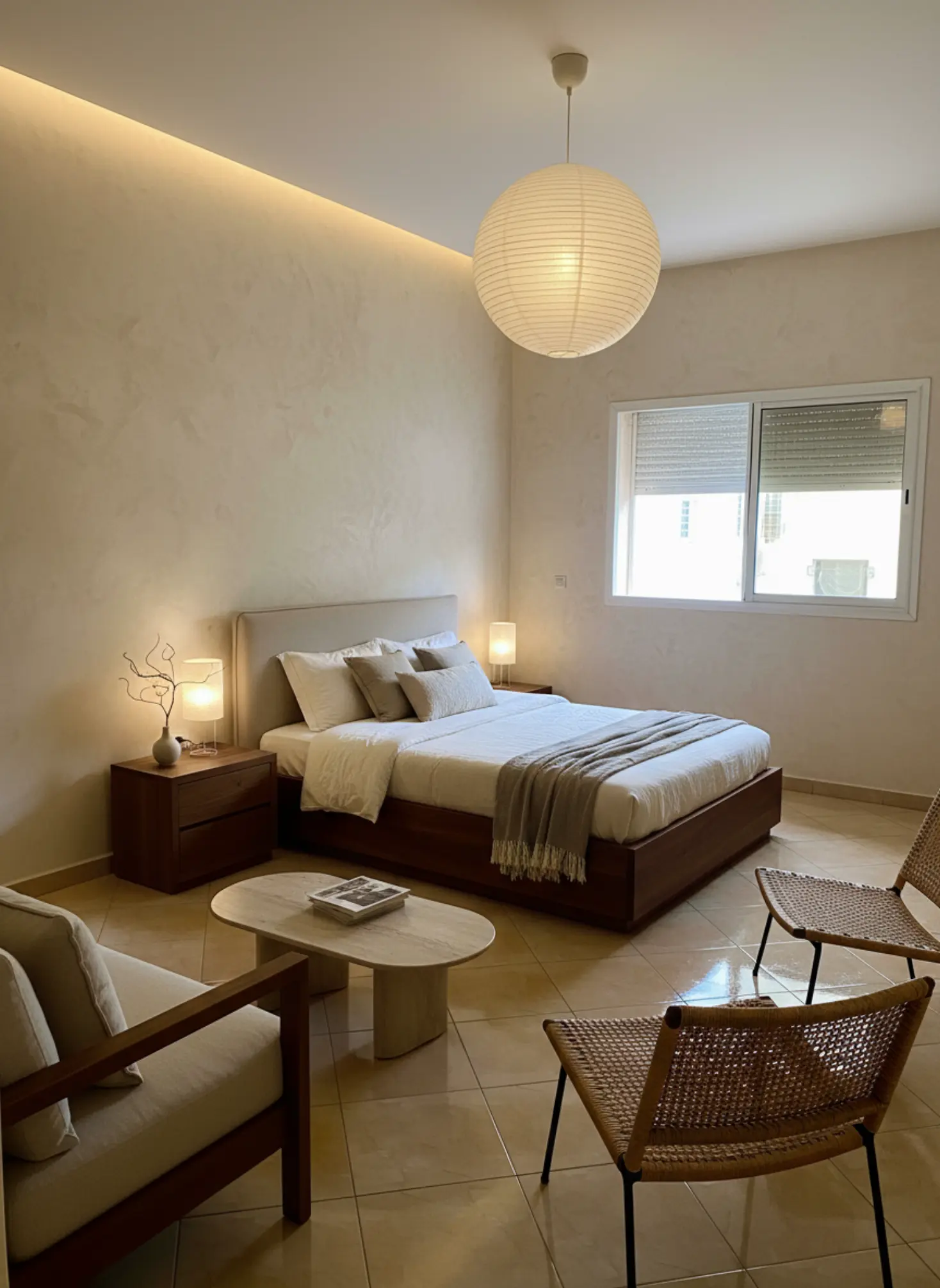
Real rooms, real results. Our AI preserves your architecture while creating stunning makeovers.
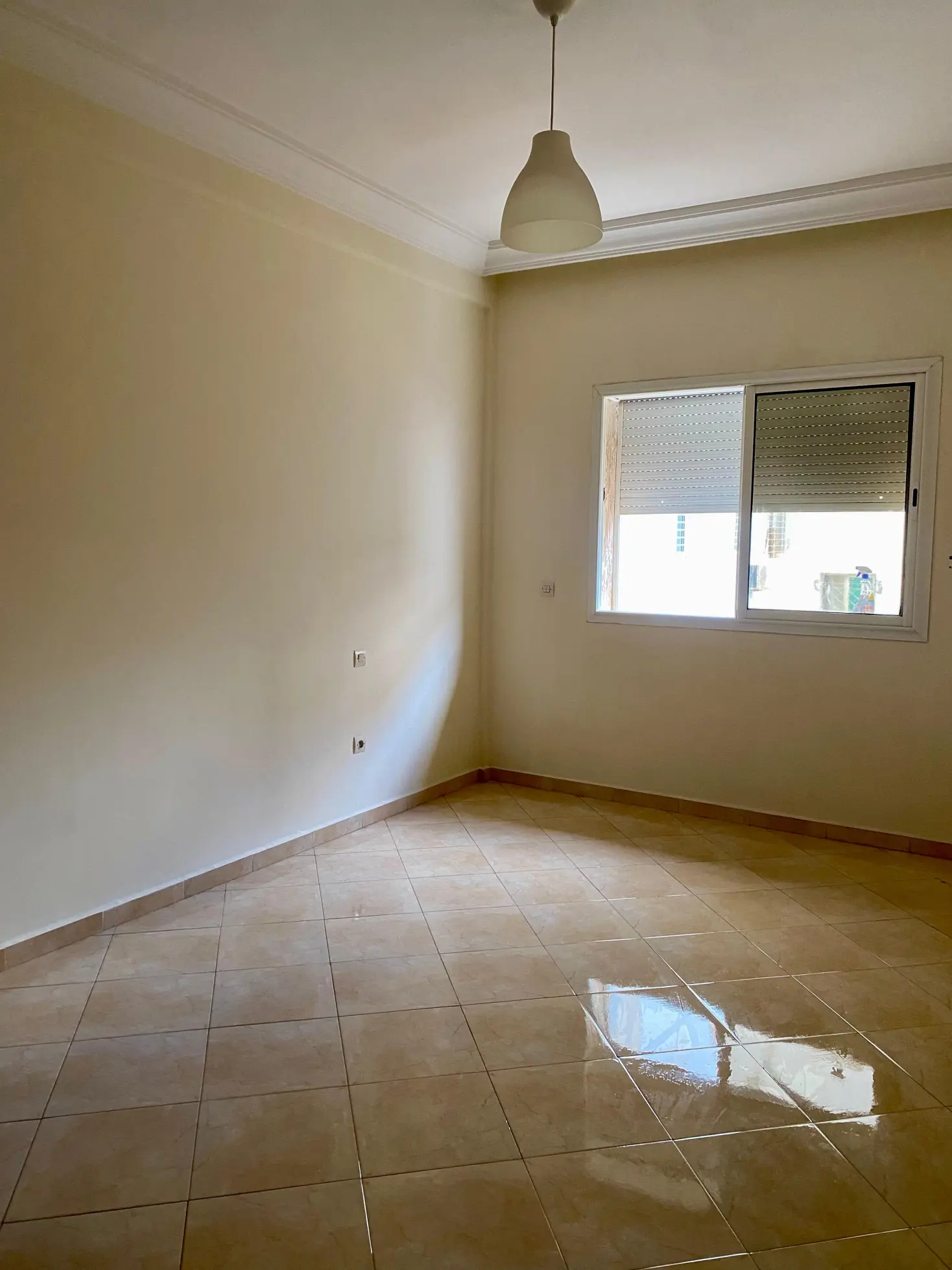
Bedroom Redesign: Transformed a cluttered bedroom into a modern, minimalist haven.
What our AI preserves
- ✓
Room proportions
Ceiling height, wall dimensions, and spatial relationships
- ✓
Natural lighting
Window placement, light direction, and shadows
- ✓
Architectural details
Moldings, built-ins, and structural elements
- ✓
Camera angle
Maintains your original perspective and framing
Ready to transform your space?
Upload your room photo and see the magic happen in minutes.
Try it free nowE Design Decor Guide
You know that moment when you walk into a room and something feels off, but you can’t quite name it? That’s where e design can be a useful way to think: a fast, visual approach to shaping a space before you buy a single chair. Instead of guessing, you can test furniture scale, color direction, and material pairings against your actual walls, windows, and light. The result is less trial-and-error, fewer expensive mistakes, and a clearer sense of what your home wants to become.
Tigmi's AI design studio helps you turn e design into a real-room plan, so you can explore finishes, lighting, and layout before you commit.
Understanding E Design
At its best, e design is really about decision-making with visual clarity. You start by reading the room: ceiling height, window placement, the direction of natural light, and the existing architectural bones you should protect rather than fight. A 2.4m ceiling, for example, usually benefits from lower-backed seating, slimmer curtain tracks, and vertical details like reeded wood or elongated sconces that pull the eye upward. Material choices matter just as much as layout; white oak, honed travertine, linen, and brushed brass create a softer, calmer feel than glossy finishes, while deeper tones like Farrow & Ball Railings or Benjamin Moore Kendall Charcoal can make a large room feel grounded and intimate. The most successful rooms usually balance texture against restraint: a bouclé armchair beside a smooth oak side table, or a wool rug under a plaster pendant. That contrast gives a room depth without visual clutter.
A common mistake is decorating piece by piece without checking proportion. A sofa that is 30cm too deep can choke a narrow living room, while a rug that stops short of the front legs makes the whole arrangement feel adrift. For a standard living room, aim for at least 15cm to 20cm of rug visible beyond each side of the sofa, and keep 75cm to 90cm clear for main walkways so movement feels easy. Bedrooms often need the opposite problem solved: too much furniture. Two properly sized bedside tables, one grounded headboard, and layered lighting usually beat a crowded mix of mismatched pieces. In kitchens and dining spaces, the same logic applies; a dining table should leave roughly 90cm behind each chair so people can sit, stand, and pass through comfortably. Good room planning is less about filling space and more about giving each object a reason to be there.
Technology has changed how people approach e design because it removes the old gap between imagination and reality. You can now test a modern rustic palette, a coastal scheme, or a more formal classic look against your actual architecture before you commit to paint, upholstery, or joinery. That matters because a color that looks creamy on a phone screen can read green or grey in north-facing light, and a velvet that feels rich in theory can overwhelm a small room once it catches the sun. Tigmi helps you see those differences directly in your own space, while preserving the walls, windows, and lighting that make your room unique. That means you can compare style directions side by side, then choose the one that works with your home rather than against it. It’s a practical way to move from inspiration to a confident plan.
Style inspiration
Quiet Nordic Warmth
Pair white oak flooring with matte black hardware and a bouclé accent chair in soft ivory. Add walls in a warm off-white like Benjamin Moore White Dove and keep textiles in oatmeal, stone, and muted sage. This combination feels clean without being cold because the oak brings grain and warmth while the bouclé softens the sharper lines.
Refined Coastal Layering
Use bleached oak, linen drapery, and a slipcovered sofa in a chalky sand tone such as Farrow & Ball James White. Bring in sea-glass accents, pale ceramic lamps, and brushed nickel where you want a cooler edge. The look works because the palette stays airy, but the layered textures keep it from feeling flat or overly themed.
Modern Heritage Contrast
Combine honed Carrara marble, walnut veneer, and aged brass with wall color in a deep olive like Sherwin-Williams Jasper. A tailored wool sofa and a vintage-style rug in rust, ink, and tobacco tones add depth. This direction feels collected and architectural, which is ideal if you want character without leaning into heaviness.
Artisan Desert Calm
Mix clay plaster walls, natural jute, and a low-profile oak coffee table with upholstery in terracotta, camel, and dusty blush. Finish with hand-thrown ceramics and a textured wool throw to keep the room tactile. The palette works because the earthy tones sit comfortably together and the matte surfaces absorb light in a very forgiving way.
Materials & Palette Cues
- • Limewashed oak in a matte finish — use it for flooring, side tables, or built-in shelving; it pairs beautifully with linen upholstery and soft brass because it reflects light gently without feeling shiny.
- • Honed travertine — ideal for coffee tables, bath surfaces, or fireplace surrounds; pair it with warm white walls and wool textiles to keep the room from feeling too severe.
- • Bouclé fabric in ivory or stone — best on accent chairs or ottomans; it works with walnut, black metal, and muted neutrals because the nubby texture adds softness and visual depth.
- • Reeded glass — use it on cabinet fronts or internal doors when you want privacy and brightness at once; it pairs well with oak joinery and antique brass for a quietly layered look.
- • Clay plaster wall finish — excellent in bedrooms, entryways, or dining rooms; pair it with jute, linen, and hand-finished wood to create a calm, grounded atmosphere.
Designer's Tip
After 15 years of styling real homes, I’ve learned that the fastest way to ruin a room is choosing everything at the same visual weight. If your sofa is boxy and substantial, keep the coffee table slimmer and the lighting more delicate; if your dining chairs are sculptural, let the table top stay visually quiet. That balance makes a room feel intentional instead of crowded.
Layout & Styling Moves
- Keep your main seating arrangement within a 2.5m to 3m conversation zone so people can speak without raising their voices; anchor it with a rug that extends at least 15cm past the sofa on both sides.
- For a dining room, allow 90cm of circulation space behind each chair and choose a table that leaves at least 1m from the table edge to the nearest wall if the room is tight.
- In a bedroom, leave 60cm minimum on each side of the bed for comfortable access; if the room is narrow, use wall-mounted sconces instead of table lamps to free up surface space.
- When planning open-plan zones, separate functions with scale rather than walls: a 1.8m sofa can define a living area, while a console or low shelf helps signal transition without blocking light.
Pros & Cons
+ Advantages
- + It helps you make faster, more confident decisions because you can compare styles before spending money on furniture, paint, or finishes.
- + It reduces costly sizing mistakes by showing how sofas, rugs, and storage pieces relate to real architectural proportions.
- + It is useful for different goals, from a homeowner refining a family room to a designer developing client concepts to a real estate agent staging a listing.
- + It keeps the room’s actual structure intact, so you can judge the design against the true windows, light, and layout rather than an idealized blank slate.
- Considerations
- - If your room is cluttered or poorly measured, the best visual plan can still feel off until you correct the underlying layout issues.
- - A style concept can look convincing on screen but still fail if the materials are impractical for your lifestyle, such as pale linen in a high-traffic family room.
- - Fast visual exploration can tempt you into choosing based on first impressions, so you still need to check durability, maintenance, and budget before buying.
Design snapshot
Quick cues to keep e design consistent across rooms, budgets, and shopping lists.
- Anchor color for e design: warm white base, muted clay accent, deep ink contrast.
- Key materials: light oak, linen upholstery, matte ceramic, brushed metal.
- Lighting mood: daylight softens textures, 2700K layers warm the evening.
- Styling rhythm for e design: large forms first, then medium, then small highlights.
- Textile cue: keep one tactile fabric (boucle or linen) in every zone.
- Budget cue: invest in the hero piece, simplify everything else.
Design checklist
Use this checklist to keep e design cohesive from the first render to the final styling pass.
- Anchor the focal point of your e design layout first (sofa, bed, or dining table) and let everything else echo its scale and finish.
- Limit the palette to 3-4 core tones that reinforce the e design direction, then repeat them in soft goods, art, and small objects.
- Layer lighting in three tiers (ambient, task, accent) so the room stays flattering day and night.
- Mix textures like wood, metal, linen, and stone to keep the e design look tactile and warm.
- Finish with one signature moment - oversized art, a sculptural lamp, or a bold rug that anchors the space.
- Group decor in odd numbers and vary heights so vignettes feel composed, not cluttered.
- Leave one surface clear to give the eye a resting point and keep the layout calm.
Prompt starters
Use these Tigmi prompts to explore e design variations quickly.
- e design, warm neutral palette, layered textures, soft daylight, editorial styling.
- e design, oak + stone materials, minimal clutter, sculptural lighting, cozy seating.
- e design, airy layout, open sightlines, muted accents, natural fiber rugs.
- e design, contrast black + walnut, tactile textiles, gallery wall, cinematic lighting.
Bring it to life
Use this action plan to turn e design renders into real-world decisions.
- Save the top two Tigmi renders for e design and note the differences that matter.
- Turn the winning render into 5-7 shopping or renovation tasks with estimated costs.
- Share the prompt and render so e design stays aligned for everyone involved.
- Re-run once after you confirm lighting and materials to lock in the final direction.
Workflow tips
Use Tigmi to test the e design direction quickly, then lock in the details that feel right for the way you live.
-
1
Upload a photo of your room and choose a style preset that matches your rough direction, such as Japandi, Coastal, or Classic. This gives you a quick first read on scale and mood.
-
2
Use the room lock feature to keep your walls, windows, and lighting fixed while testing different furniture and finish ideas. That way you can compare only the parts you’re actually changing.
-
3
Switch between before/after comparisons to spot what improves the room’s flow, not just its appearance. Pay attention to rug size, sofa depth, and how the eye moves from the entry point to the focal wall.
-
4
Save two or three variations, then use them as a practical shortlist for shopping, budgeting, or sharing with a client or contractor. It turns a vague idea into a usable plan.
Key Takeaways
-
1
Start with the room’s architecture, not the furniture catalog; the best decisions respect light, proportion, and circulation first.
-
2
Use one dominant material and two supporting textures so the space feels layered without becoming busy.
-
3
Measure walkways, rug size, and seating clearances before buying anything large.
-
4
Test more than one style direction before committing, especially if you are deciding between warm minimalism, classic detail, or a more textural look.
Frequently Asked Questions
What is e design?
E design is a remote interior design process that uses digital visuals and planning to help you shape a room before buying anything. It is especially useful for comparing layouts, materials, and color palettes against your actual space, so you can make better decisions with less guesswork.
Is e design worth it for a small room?
Yes, e design is often especially useful in small rooms because proportion matters so much. A sofa that is 10cm too deep, a rug that is too small, or bulky storage can make a compact space feel cramped, while a clear visual plan helps you choose slimmer pieces and better circulation.
How do I choose the right style for my home?
Choose the style that works with your architecture, natural light, and daily routine first. For example, north-facing rooms often suit warmer palettes, while rooms with strong sunlight can handle cooler stone tones, deeper wood, and more contrast.
What should I measure before starting an e design project?
Measure the room length, width, ceiling height, window and door placement, and the clearances around major furniture. You should also note radiator positions, outlet locations, and any fixed elements like beams or built-ins because they affect layout more than people expect.
Can e design work for rentals?
Yes, e design can work very well for rentals because you can focus on reversible changes like lighting, rugs, curtains, removable wallpaper, and freestanding furniture. Those choices can dramatically improve the feel of a rental without altering the structure.
How does Tigmi help me test ideas before I buy?
Tigmi lets you explore style options on a photo of your actual room, so you can compare looks before committing to purchases. You can review different directions side by side and see how each one interacts with your real walls, windows, and light.
Related reads
Ready to visualize?
If you’re trying to turn a vague room idea into a plan you can trust, explore your next e design direction in Tigmi and see what actually works in your space before you spend a cent.
Explore more with Tigmi
- AI Interior Design Studio — Overview of the core room redesign workflow.
- AI Room Makeover — Room-by-room transformations with presets and Room Lock.
- AI Virtual Staging — Stage empty spaces for listings in minutes.
- Style Gallery — Browse 16+ style presets and example renders.
- Pricing & Plans — Compare free and pro tiers before you start.
Ready to transform your space?
Upload your room photo and see the magic happen in minutes.
Upload a room photo and get a designer level makeover in minutes
Try your room free