Tigmi.
Trusted by Designers, Agents and Homeowners

Interior Design Trends

You can feel the shift the second you step into a room that’s been updated with the latest interior design trends: the light reads softer, the sofa sits a little lower, and suddenly the space feels calmer without looking staged. That’s usually where people get stuck — they know their home feels dated, but they don’t want to chase every passing idea or replace everything at once. The best rooms right now balance texture, warmth, and restraint, so the result feels lived-in rather than overworked. If you’ve been saving inspiration but still can’t picture how it belongs in your own home, that’s exactly the gap this piece is meant to close.

1-2 mintypical render time
100%architecture preserved
2,847projects completed

First render free • Uploads stay private. Delete any time.

  • Instant results
  • Room Lock™
  • Light Lock™
  • Style Engine™
Client photoAI Decor Studio
Before interior
BeforeOriginal room
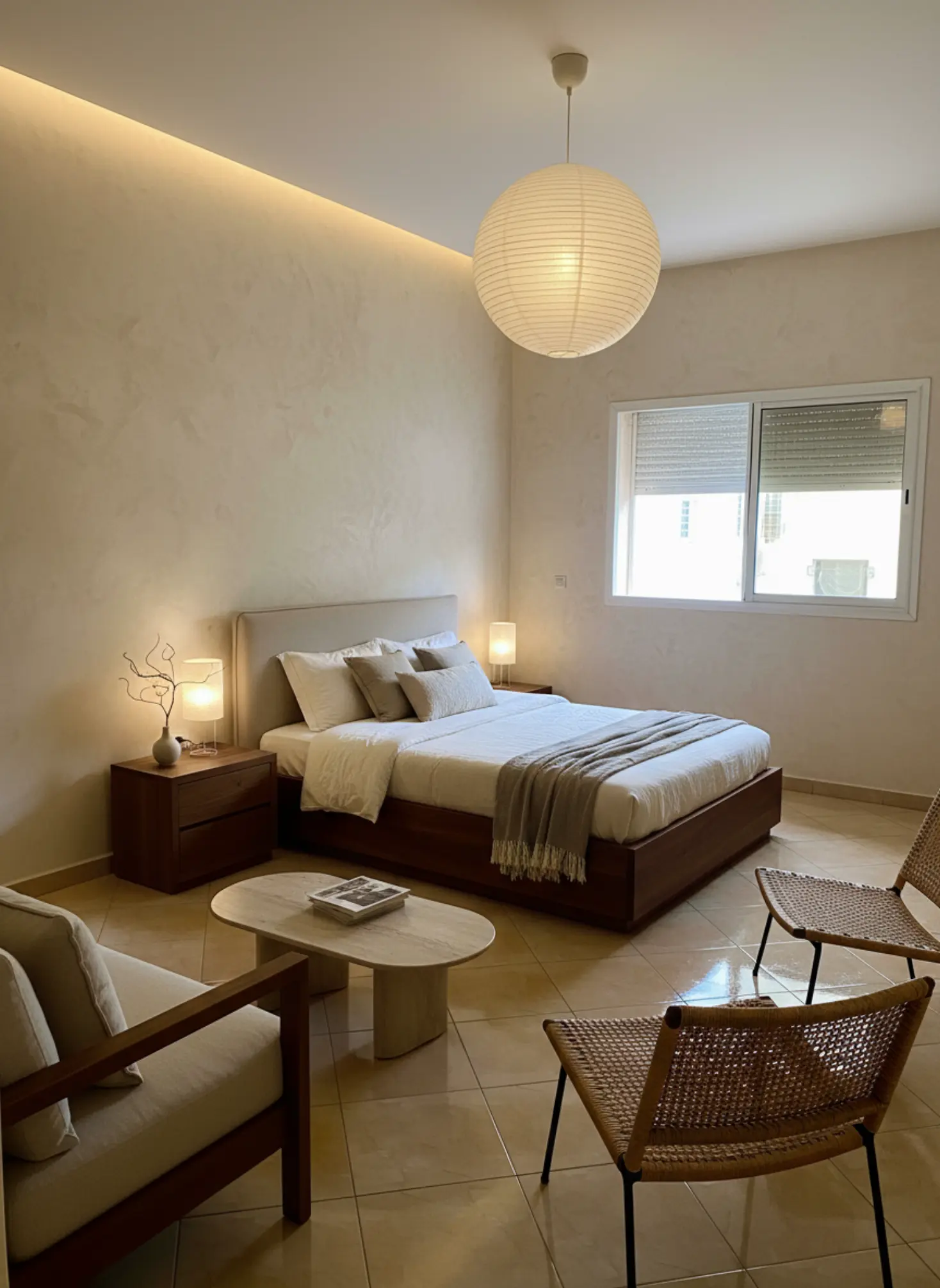
AfterAI redesigned

How it works

Three simple steps to transform your space

1

Upload photo

Drag & drop your room photo or click to browse

2

Pick style

Choose from 16 designer-curated styles

3

Get results

Download photorealistic redesign in minutes

See the transformation

Real rooms, real results. Our AI preserves your architecture while creating stunning makeovers.
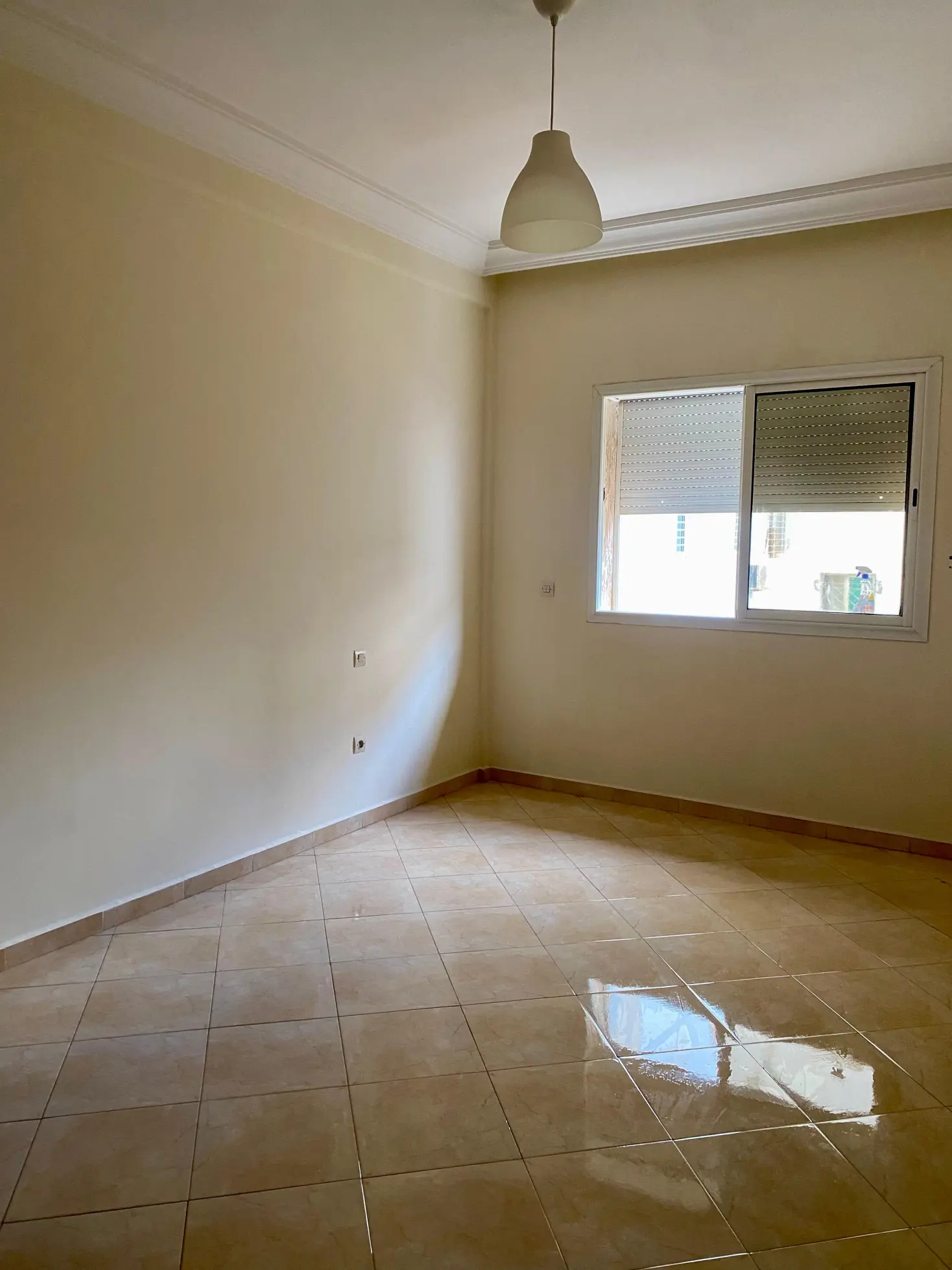
Before makeover
After makeover
Before makeover
After makeover

Bedroom Redesign: Transformed a cluttered bedroom into a modern, minimalist haven.

What our AI preserves

  • Room proportions

    Ceiling height, wall dimensions, and spatial relationships

  • Natural lighting

    Window placement, light direction, and shadows

  • Architectural details

    Moldings, built-ins, and structural elements

  • Camera angle

    Maintains your original perspective and framing

Ready to transform your space?

Upload your room photo and see the magic happen in minutes.

Try it free now

Interior Design Trends Decor Guide

You can feel the shift the second you step into a room that’s been updated with the latest interior design trends: the light reads softer, the sofa sits a little lower, and suddenly the space feels calmer without looking staged. That’s usually where people get stuck — they know their home feels dated, but they don’t want to chase every passing idea or replace everything at once. The best rooms right now balance texture, warmth, and restraint, so the result feels lived-in rather than overworked. If you’ve been saving inspiration but still can’t picture how it belongs in your own home, that’s exactly the gap this piece is meant to close.

Tigmi's AI design studio helps you turn interior design trends into a real-room plan, so you can explore finishes, lighting, and layout before you commit.

Understanding Interior Design Trends

One of the clearest shifts in interior design trends is the move toward tactile minimalism: fewer objects, better materials, and a stronger focus on how a room feels under natural light. Think white oak with a matte oil finish, limewashed walls in soft chalky beige, and upholstery in bouclé, washed linen, or wool blend fabrics that hold shape without feeling stiff. Instead of high-contrast schemes, designers are leaning into tonal layering — mushroom, oat, clay, and warm stone — because these colors make a room feel quieter and more expensive without shouting for attention. You can see this in living rooms where a low-profile sofa, a 240 cm rug, and a 35 to 45 cm coffee table create a grounded rhythm. Hardware is getting subtler too: brushed nickel, aged brass, and blackened steel are used sparingly so the room doesn’t feel overdesigned. The result is a space that reads as intentional from every angle, but still lets the architecture breathe.

A common mistake is trying to apply one trend to every room with the same intensity, which flattens the personality of the home. A moody plaster finish might work beautifully in a dining room with evening light, but in a north-facing bedroom it can make the space feel heavy unless you balance it with pale oak, ivory bedding, and a mirror placed to catch daylight. Budget matters here, too: you do not need a full renovation to respond to current interior design trends. Start with the elements that change the room fastest — a 200 x 300 cm rug, new lamp shades in linen or paper, one upholstered accent chair, and paint in a nuanced neutral like Farrow & Ball Skimming Stone or Benjamin Moore Pale Oak. If your room is small, keep larger furniture visually light with raised legs and avoid blocking window lines; if it’s open-plan, use repeated materials such as oak, travertine, and woven texture to connect each zone. The smartest updates are the ones that respect what is already working instead of fighting the room’s proportions.

Technology has changed how people test ideas before they commit, and that matters because the wrong scale or color can ruin a room faster than a bad purchase. AI tools now let you compare a room with different wall finishes, furniture silhouettes, and style directions before you spend money, which is especially useful if you’re deciding between Japandi calm, Nordic light, or a more layered Mediterranean look. Tigmi is helpful here because it keeps your real walls, windows, and lighting intact, so you can see how a new palette or sofa shape actually behaves in your space rather than in a generic mockup. That makes the process feel less like guesswork and more like editing — you can test a walnut console against your existing floor, or see whether a bouclé chair softens a room that already has a lot of hard edges. For homeowners, that means fewer costly mistakes; for designers, it means faster concepting; and for agents, it means showing a room’s potential without bringing in physical furniture. The technology doesn’t replace taste, but it does make good taste easier to apply with confidence.

Style inspiration

Soft Nordic Quiet

Pair white oak flooring with a linen slipcovered sofa, a bouclé accent chair, and brushed nickel lighting for a room that feels airy but not cold. Use a palette of warm white, pale greige, and muted sand, then add one charcoal detail in a side table or frame to keep the composition from drifting bland. This combination works because the textures do the heavy lifting while the colors stay restrained, which is exactly why it suits modern living rooms and bedrooms.

Earthy Modern Heritage

Combine walnut veneer, oatmeal wool upholstery, and honed travertine with aged brass accents for a space that feels collected rather than decorated. Lean into clay, tobacco, olive, and deep cream tones, which bring depth without making the room feel dark. The mix works because the richer wood grain and stone surfaces add visual weight, while the softer textiles keep it approachable.

Coastal Edit

Use limewashed walls, light ash wood, and a woven jute or sisal rug with crisp cotton or linen upholstery to create a breezy room that still feels polished. Build the palette around shell white, mist blue, sea glass green, and weathered beige rather than obvious nautical blues. The look works because the finish variation adds texture, while the pale palette reflects daylight and keeps the room feeling open.

Urban Layered Loft

Pair concrete or microcement surfaces with blackened steel, warm leather, and a ribbed wool rug for a sharper, more architectural feel. Add camel, graphite, rust, and soft ivory so the room doesn’t become too severe. This direction works because the contrast between hard and soft materials creates tension, which gives the room character without clutter.

Materials & Palette Cues

  • Limewashed oak in a matte finish — pairs well with linen upholstery and raw brass fixtures in living rooms or entryways, where it softens daylight and adds quiet texture without visual weight.
  • Travertine with a honed surface — works beautifully with walnut cabinetry and boucle seating in kitchens or dining areas because it brings a subtle, natural pattern that feels refined rather than glossy.
  • Bouclé fabric in ivory or oatmeal — pairs with dark-stained wood and black metal accents in bedrooms or reading corners, adding softness that keeps sharper lines from feeling severe.
  • Mushroom-toned paint with a low-sheen finish — complements warm white trim and natural fiber rugs in smaller rooms, where it adds depth without shrinking the space.
  • Aged brass with a brushed or unlacquered finish — pairs with plaster walls, oak millwork, and stone tops in bathrooms or kitchens, because it warms cooler surfaces and develops character over time.

Designer's Tip

After 15 years of watching rooms succeed or fail, I’d say the fastest way to ruin a contemporary scheme is to ignore undertones. Put your paint sample next to the floor, sofa fabric, and trim in morning light and again at dusk; a neutral that looks warm at noon can turn green or pink by evening. That one check saves more money than any other sourcing habit.

Layout & Styling Moves

  • Keep the main seating group within a 2.4 to 2.7 meter conversation circle, and anchor it with a rug that extends at least 20 cm beyond the sofa on each side so the room feels proportioned, not floating.
  • Leave 90 cm of clearance behind dining chairs and at least 75 cm around a bed where possible, because circulation space matters as much as the furniture itself in contemporary layouts.
  • If your room is narrow, place the largest piece along the longest wall and use two smaller side tables instead of one oversized coffee table; that keeps the floor plane open and helps the room breathe.
  • In open-plan spaces, repeat one material three times — for example oak, linen, and brass — to visually connect the zones and prevent the eye from stopping at every change in function.

Pros & Cons

+ Advantages

  • + It creates a room that feels current without relying on short-lived novelty, so the space stays relevant longer.
  • + It is easier to layer over existing furniture, which makes it practical if you want a measured refresh instead of a full overhaul.
  • + It tends to work well in real homes because the emphasis is on proportion, texture, and light rather than on theme-heavy styling.
  • + It can improve resale appeal by making spaces feel more cohesive and move-in ready.

- Considerations

  • - If you strip away too much personality, the room can start to feel generic and overly safe.
  • - Some trend-led materials, like certain specialty finishes or imported stone, can push the budget up quickly.
  • - A look that depends on subtle neutrals and texture can fall flat if lighting is poor or the room has weak natural daylight.

Design snapshot

Quick cues to keep interior design trends consistent across rooms, budgets, and shopping lists.

  • Mood anchor for interior design trends: choose one reference image that captures the exact feeling you want.
  • Color formula: pick one dominant neutral, one warm accent, and one dark grounding tone.
  • Key texture mix for interior design trends: combine something smooth (marble, glass), something woven (linen, rattan), and something soft (velvet, wool).
  • Scale rule: alternate tall and low pieces so the eye travels naturally around the room.
  • Lighting layers: ambient overhead, task for reading or cooking, and accent to highlight art or architecture.
  • Finishing move: add one unexpected element (a vintage piece, bold pattern, or metallic accent) to avoid a catalog look.

Design checklist

Use this checklist to keep interior design trends cohesive from the first render to the final styling pass.

  • Start with the feeling you want the room to evoke, then find interior design trends references that match that mood.
  • Create a mood board with 8-12 images covering color, texture, furniture, and lighting before buying anything.
  • Pick one hero element (a standout sofa, a statement wall, or a vintage find) and build the rest of the room around it.
  • Test your interior design trends palette with fabric and paint samples in the actual room under both daylight and evening light.
  • Balance proportions by mixing tall and low elements - pair a tall bookshelf with a low-profile media console.
  • Layer soft furnishings (throws, cushions, rugs) to add depth and make the space feel lived-in and inviting.
  • Photograph your current room from the same angle after each change to track what is working and what needs adjusting.

Prompt starters

Use these Tigmi prompts to explore interior design trends variations quickly.

  • interior design trends, mood-driven palette, mixed vintage and modern, soft morning light, Instagram-ready.
  • interior design trends, earthy tones, handmade ceramics, woven textiles, lived-in warmth.
  • interior design trends, maximalist layers, bold pattern mixing, collected-over-time feel, personality-first.
  • interior design trends, Scandinavian calm, white + wood base, pops of sage, minimal but warm.

Bring it to life

Use this action plan to turn interior design trends renders into real-world decisions.

  • Pin your favorite interior design trends references and note what they have in common (color, texture, layout).
  • Create a mood board from these references and identify the hero element for each room.
  • Test one change at a time in a Tigmi render to see how each idea translates to your actual space.
  • Build a phased plan: start with paint and lighting, then furniture, then interior design trends accessories.

Workflow tips

Use Tigmi to test the interior design trends direction quickly, then lock in the details that feel right for the way you live.

  1. 1

    Upload a photo of the room you want to change, then pick a style preset closest to the mood you want — for example Japandi Calm, Modern Haven, or Coastal Breeze.

  2. 2

    Use room lock to keep the architecture, window placement, and lighting consistent while you compare different material directions and color palettes.

  3. 3

    Generate a few versions and compare the before/after views side by side so you can judge scale, texture, and balance before making any purchase.

  4. 4

    Save the strongest option, then build a shopping list from the visible cues: sofa shape, rug size, wood tone, metal finish, and wall color.

Key Takeaways

  1. 1

    Choose one clear material story — oak, stone, linen, or metal — and repeat it so the room feels intentional.

  2. 2

    Let scale do some of the work: one properly sized rug, sofa, or pendant often matters more than adding more pieces.

  3. 3

    Test colors in your actual light before buying, because undertones shift dramatically from room to room.

  4. 4

    Use current interior design trends as a filter, not a script, so the final space still feels like your home.

Frequently Asked Questions

What are the biggest interior design trends right now?

The biggest interior design trends right now are tactile minimalism, warm neutrals, natural materials, and softer, lower-profile furniture. You’ll see more white oak, travertine, linen, bouclé, and limewash because these finishes make rooms feel calmer and more layered without looking busy.

How do I update my home without following every trend?

Update your home by changing the elements that affect the whole room: paint, lighting, rugs, and one or two key furniture pieces. Choose a material palette you can repeat across the space, such as oak, linen, and brass, so the room feels cohesive even if you only make a few changes.

Which interior design trends work best in small spaces?

The best interior design trends for small spaces are light-toned palettes, raised-leg furniture, and textured but restrained finishes. A 200 x 300 cm rug, a slim sofa, and a wall color with a soft undertone can make a compact room feel larger and less cluttered.

How can I tell if a trend will suit my house?

A trend will suit your house if it matches your room’s light, proportions, and existing architecture. Test it against your actual flooring, window placement, and ceiling height, because a look that feels perfect in a bright showroom may feel heavy in a darker home.

What colors are most popular in interior design trends this year?

The most popular colors are warm white, mushroom, clay, oat, olive, and muted blue-gray. These shades work because they pair easily with natural textures and keep a room from feeling overly stark or overly saturated.

How do I see interior design ideas before I buy anything?

Use a room visualization tool to test furniture, colors, and finishes in your own space before committing. Tigmi is especially useful because it keeps your real room structure intact, so you can compare options against your actual walls, windows, and light.

Related reads

Ready to visualize?

If you want to explore interior design trends without gambling on the wrong sofa, paint color, or finish, try your room in Tigmi first and see which direction actually belongs in your home.

Explore more with Tigmi

Ready to transform your space?

Upload your room photo and see the magic happen in minutes.

Try it free now

Upload a room photo and get a designer level makeover in minutes

Try your room free