Tigmi.
Trusted by Designers, Agents and Homeowners

AI Interior Design Seattle

Tigmi data shows 31% of Seattle projects trend luxe. Use AI staging, soft modern scandinavian with biophilic layers and tech-integrated millwork, and white oak, midnight accents, oversized glazing, mossy greens to launch faster.

1-2 mintypical render time
100%architecture preserved
2,847projects completed

First render free • Uploads stay private. Delete any time.

  • Instant results
  • Room Lock™
  • Light Lock™
  • Style Engine™
Client photoAI Decor Studio
Before interior
BeforeOriginal room
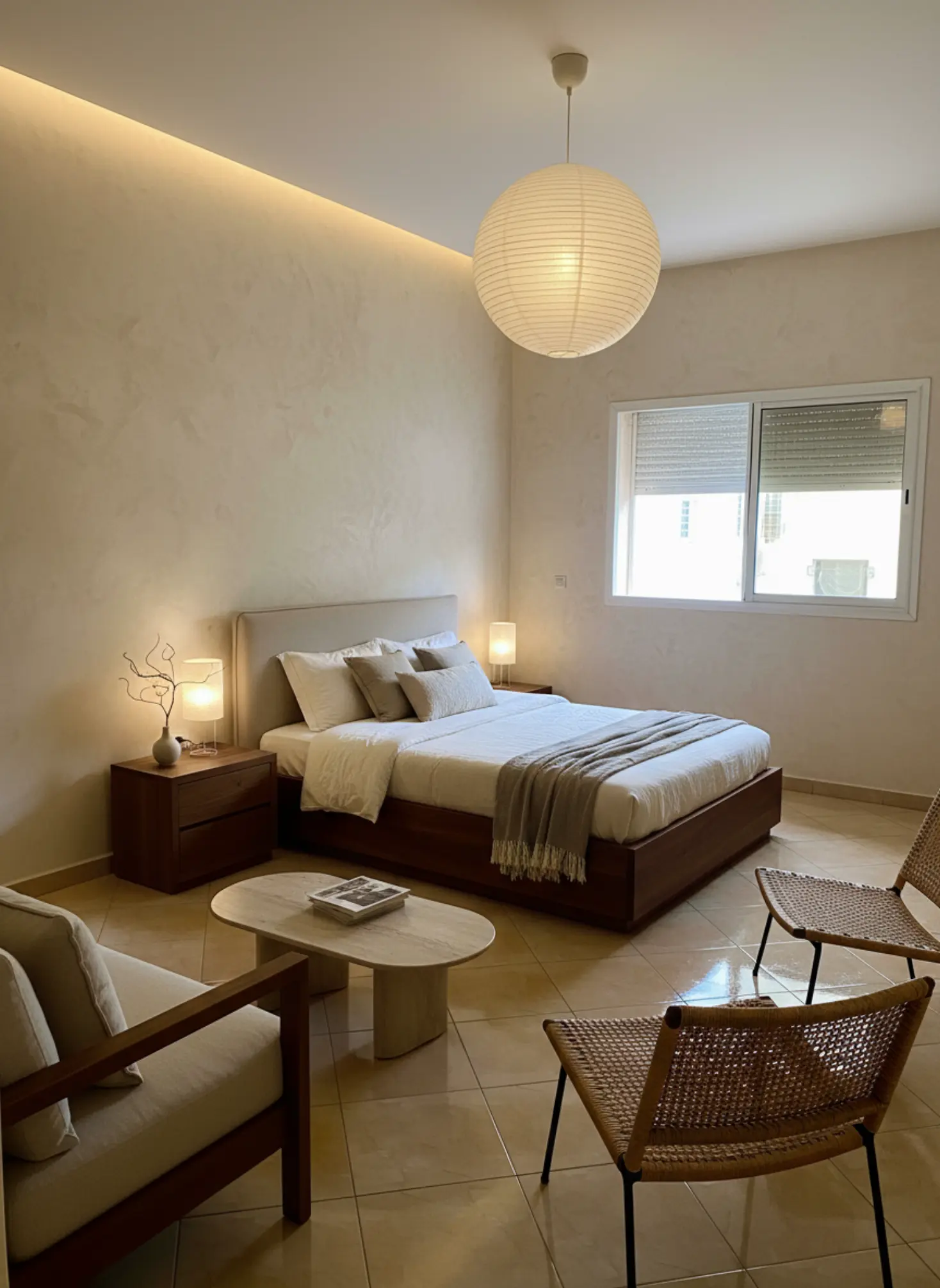
AfterAI redesigned

How it works

Three simple steps to transform your space

1

Upload photo

Drag & drop your room photo or click to browse

2

Pick style

Choose from 16 designer-curated styles

3

Get results

Download photorealistic redesign in minutes

See the transformation

Real rooms, real results. Our AI preserves your architecture while creating stunning makeovers.
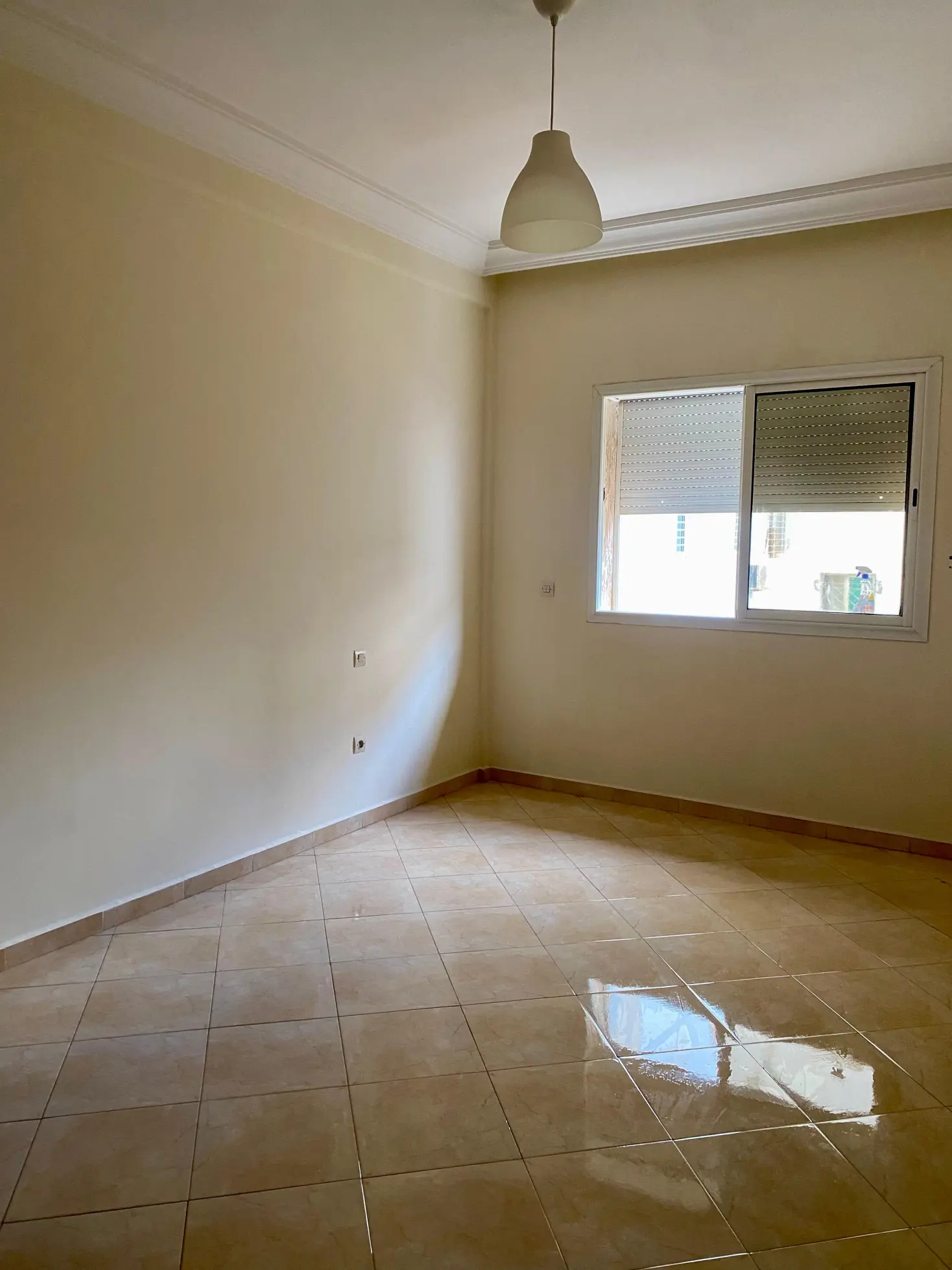
Before makeover
After makeover
Before makeover
After makeover

Bedroom Redesign: Transformed a cluttered bedroom into a modern, minimalist haven.

What our AI preserves

  • Room proportions

    Ceiling height, wall dimensions, and spatial relationships

  • Natural lighting

    Window placement, light direction, and shadows

  • Architectural details

    Moldings, built-ins, and structural elements

  • Camera angle

    Maintains your original perspective and framing

Ready to transform your space?

Upload your room photo and see the magic happen in minutes.

Try it free now

AI Interior Design in Seattle, Washington – Pacific Northwest Playbook

Seattle’s interiors are shaped by drizzle, views, and a deep preference for calm, useful spaces that still feel warm on a gray afternoon. In Ballard, Queen Anne, and Capitol Hill, you’ll see townhomes and mid-century remodels leaning into soft modern Scandinavian details: white oak, wool, linen, and mossy greens balanced by midnight black hardware and slim-profile lighting. Oversized glazing matters here because the light is precious; people want rooms that feel bright in November and grounded in July. The city’s best homes often blend Pacific Northwest restraint with a quiet tech edge, which makes Seattle a particularly strong fit for thoughtful, photo-first design planning.

Cloud engineers upgrading townhomes in Ballard and Queen Anne. This playbook shows how to brief Tigmi so every render mirrors white oak, midnight accents, oversized glazing, mossy greens and the premium touchpoints Pacific Northwest buyers expect.

Design Guide: Seattle

Seattle’s dominant interior language is soft modern Scandinavian with a Pacific Northwest layer that feels organic rather than themed. White oak cabinetry, matte black or midnight blue accents, and tactile textiles like bouclé, washed linen, and dense wool show up again and again because they soften the long wet season without making a home feel heavy. In Ballard townhomes, you’ll often see narrow floor plates opened up with glass railings, slab-front millwork, and built-ins that hide the realities of urban living — charging stations, mudroom storage, and compact media walls. Queen Anne homes, especially updated older properties, tend to pair cleaner contemporary furniture with preserved millwork, leaded windows, or a classic fireplace surround so the architecture still reads clearly. Mossy greens, muted clay, fog gray, and warm white walls work well here because they echo the landscape outside instead of fighting it. Even the lighting tends to be layered and low-glare: paper pendants, ribbed glass sconces, and dimmable LED strips tucked into shelving or under floating vanities. In this market, the most convincing interiors feel edited, rain-ready, and quietly engineered.

For homeowners and agents, AI visualization is useful in Seattle because the stakes are high and the architecture already carries a strong point of view. Tigmi lets you test a Japandi Calm kitchen, a Modern Haven living room, or a more tailored Nordic Light palette on your actual room photo while preserving the windows, ceiling height, and existing structure that make a Ballard or Queen Anne home feel distinct. That matters in townhomes with awkward sightlines, darker entry halls, or compact primary suites, where a single wrong choice in millwork or color can make the space feel tighter than it is. You can compare white oak against walnut, matte green cabinetry against warm white, or built-in banquettes versus open seating before buying a single pendant or gallon of paint. For Seattle homeowners trying to avoid costly mistakes during a rainy-season refresh, that kind of clarity is worth a lot.

Seattle’s real estate market rewards presentation that feels immediate and believable, especially around the spring inventory push. Virtual staging helps listing photos show scale, flow, and lifestyle in a city where buyers are comparing townhomes in Ballard, Queen Anne view properties, and compact condos with very different light conditions. Instead of renting furniture that may not suit the architecture, you can place a tighter Scandinavian dining setup, a streamlined sectional, or a biophilic office vignette that speaks to cloud engineers and remote workers looking for a work-from-home upgrade. That can make an $820,000 median-price listing feel more resolved online, which is often where the first decision is made. In a market with frequent overcast skies, good staging also helps a room read as bright, intentional, and move-in ready.

Market Snapshot: Seattle

  • Median closing price: $820,000
  • Luxury / design-forward share: 31%
  • Remote or hybrid households: 45%
  • AI design search growth YoY: 38%
  • Seasonal hook: Rainy-season refreshes ahead of spring inventory

AI Plays That Convert in Seattle

  1. 1

    Editorial staging for premium listings

    Pair Tigmi's virtual staging mode with white oak, midnight accents, oversized glazing, mossy greens cues so renderings feel hyper-local.

  2. 2

    Plan sets for developers

    Export AI room boards showing finish schedules and furniture groupings to speed meetings with lenders and buyers.

  3. 3

    Always-on content for marketing teams

    Turn site visits into before/after reels that spotlight pacific northwest craftsmanship and Tigmi's Room Lock™ accuracy.

High-Impact Use Cases

  • Seattle: Basement-to-office conversions
  • Seattle: Modernizing mid-century view homes
  • Seattle: Pitch decks for boutique developers

Launch Checklist for Seattle

01

Capture the real space

Shoot straight-on angles with natural light so Tigmi preserves architecture.

02

Reference local materiality

Mention soft modern scandinavian with biophilic layers and tech-integrated millwork and call out hero materials (ex: White oak, midnight accents, oversized glazing, mossy greens).

03

Package the deliverable

Combine still renders, short AI video loops, and a sourcing note to close the loop with homeowners.

How Seattle Professionals Use Tigmi

Ballard townhome refresh before spring listing photos

A Ballard owner can test white oak built-ins, midnight hardware, and a moss-green accent wall in Tigmi before committing to a contractor. That helps the home feel current without erasing the clean lines and compact efficiency that buyers expect in newer Seattle townhomes.

Queen Anne primary suite with softer light and warmer texture

In a Queen Anne home, you might preview linen drapery, a bouclé headboard, and low-profile bedside lighting to balance older architecture with a quieter, more contemporary mood. The result feels tailored to Seattle’s gray winter light, not imported from a sunnier market.

Real estate staging for a tech-forward remote-work buyer

A listing near South Lake Union or Fremont can be staged with a dedicated office nook, integrated cable management, and a slender desk that signals productivity without clutter. That speaks directly to Seattle buyers who want a home that supports hybrid work and still looks polished in photos.

Local Design Tips for Seattle

  • Use warm white paint, such as Benjamin Moore White Dove or Sherwin-Williams Alabaster, instead of a stark cool white; Seattle’s overcast light can make blue-white walls feel flat and chilly.
  • Choose moisture-tolerant textiles for entry areas and lower levels — wool rugs, performance upholstery, and woven runners hold up better when rain is tracked in from a Ballard or West Seattle commute.
  • If your home has oversized glazing, specify layered window treatments: linen sheers for daytime softness and lined drapery for privacy and insulation during darker months.
  • In older Queen Anne or Capitol Hill homes, keep original trim and pair it with flat-front millwork or white oak inserts so the renovation feels respectful rather than overbuilt.

Local Insider Insight

One mistake I see in Seattle is overcorrecting for the weather with too much gray, which can make a home feel flat instead of serene. The strongest local interiors usually balance a cool envelope with warmer tactile layers — oak, wool, clay tones, and good task lighting — and that combination photographs well in the city’s soft natural light. For sourcing, local designers often lean on custom millwork and Pacific Northwest wood finishes rather than trying to force in overly glossy surfaces that fight the architecture.

Frequently Asked Questions

What interior style works best in Seattle homes?

Soft modern Scandinavian with biophilic details works best in Seattle homes. The city’s gray skies, abundant greenery, and mix of townhomes and older houses make white oak, mossy greens, linen, and restrained black accents feel especially natural.

How can I make a Seattle townhome feel brighter during the rainy season?

Layer light with warm white walls, reflective finishes, and sheer drapery. In Ballard and Queen Anne townhomes, oversized mirrors, pale oak millwork, and dimmable lighting help rooms feel open even on low-sun days.

Is virtual staging useful for Seattle real estate listings?

Yes, virtual staging is especially useful for Seattle listings because buyers often judge homes online before touring. It helps show scale in compact townhomes and makes darker interiors feel more inviting without renting furniture or delaying the listing.

What materials hold up well in Seattle’s climate?

White oak, wool, performance fabrics, and properly sealed stone hold up well in Seattle’s damp climate. They feel warm and substantial, and they stand up better to muddy shoes, wet coats, and the constant shift between indoor comfort and outdoor moisture.

Ready to publish?

Batch create Seattle visuals, export watermark-free downloads, and send shoppable boards to homeowners without leaving Tigmi.

Start creating with Tigmi →

Explore more with Tigmi

Ready to transform your space?

Upload your room photo and see the magic happen in minutes.

Try it free now

Upload a room photo and get a designer level makeover in minutes

Try your room free