Tigmi.
Trusted by Designers, Agents and Homeowners

AI Interior Design Miami

Tigmi data shows 36% of Miami projects trend luxe. Use AI staging, high-gloss tropical modern with saturated palettes and sculptural lighting, and travertine floors, ripple glass, curved sofas, and gallery lighting to launch faster.

1-2 mintypical render time
100%architecture preserved
2,847projects completed

First render free • Uploads stay private. Delete any time.

  • Instant results
  • Room Lock™
  • Light Lock™
  • Style Engine™
Client photoAI Decor Studio
Before interior
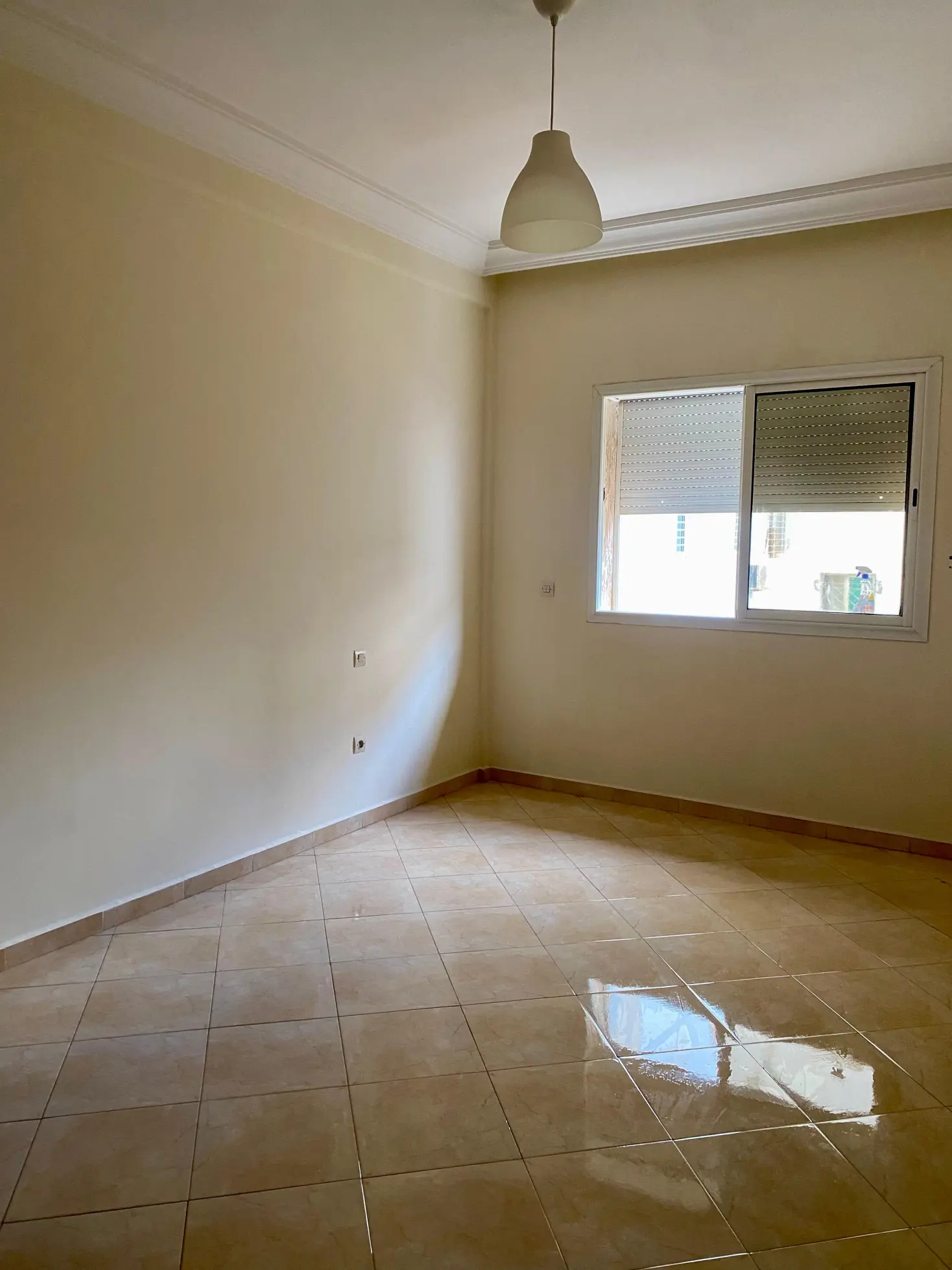
BeforeOriginal room
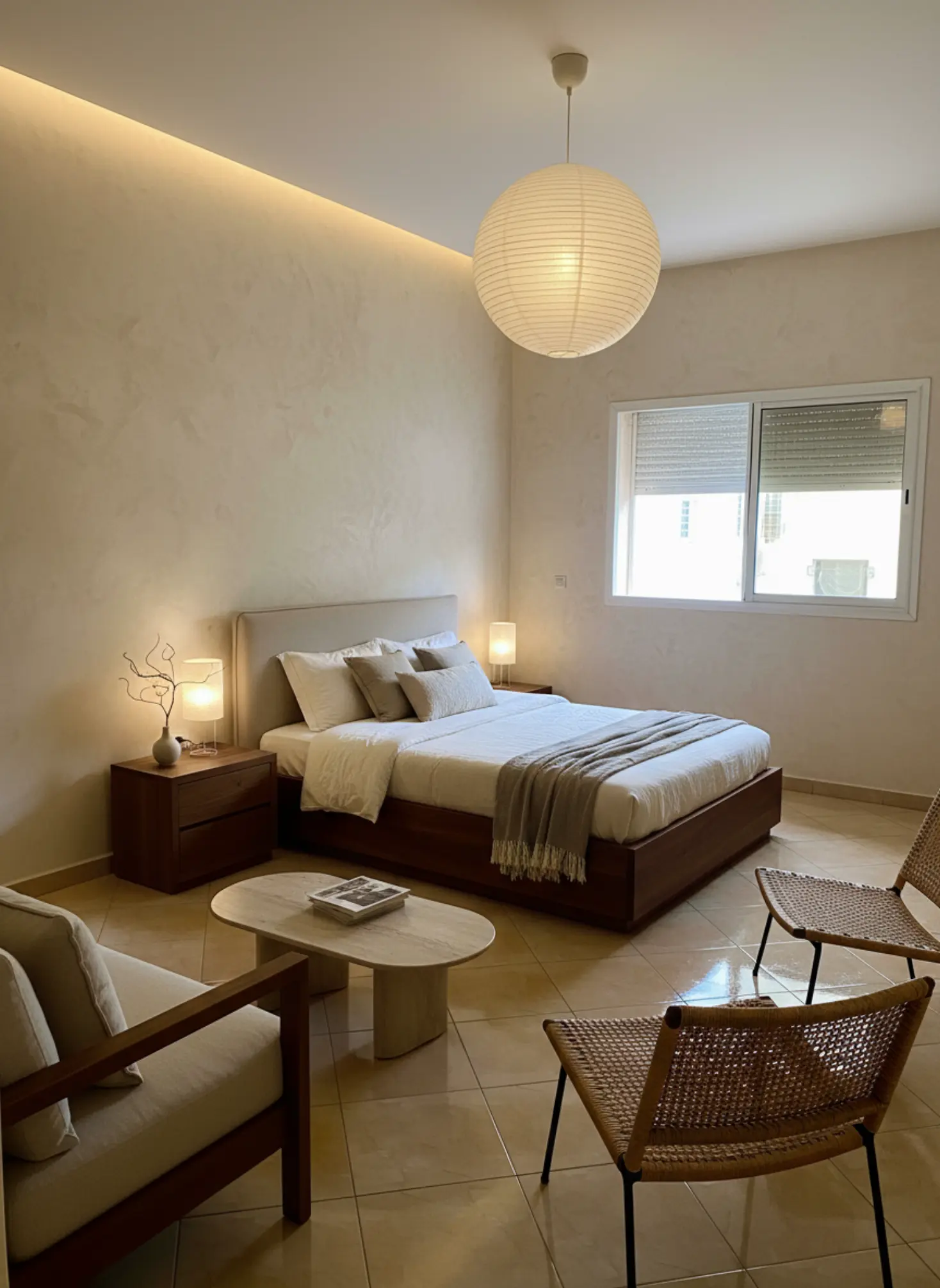
AfterAI redesigned

How it works

Three simple steps to transform your space

1

Upload photo

Drag & drop your room photo or click to browse

2

Pick style

Choose from 16 designer-curated styles

3

Get results

Download photorealistic redesign in minutes

See the transformation

Real rooms, real results. Our AI preserves your architecture while creating stunning makeovers.
Before makeover
After makeover
Before makeover
After makeover

Bedroom Redesign: Transformed a cluttered bedroom into a modern, minimalist haven.

What our AI preserves

  • Room proportions

    Ceiling height, wall dimensions, and spatial relationships

  • Natural lighting

    Window placement, light direction, and shadows

  • Architectural details

    Moldings, built-ins, and structural elements

  • Camera angle

    Maintains your original perspective and framing

Ready to transform your space?

Upload your room photo and see the magic happen in minutes.

Try it free now

AI Interior Design in Miami, Florida – Coastal luxury Playbook

Miami, Florida has a way of turning interiors into a full sensory experience: sunlight bouncing off Biscayne Bay, polished stone catching the glare, and rooms that feel equal parts resort and private club. In neighborhoods like Coconut Grove, Coral Gables, Brickell, and the Venetian Islands, you see everything from Mediterranean Revival homes with arched loggias to sleek waterfront condos with floor-to-ceiling glass. The city’s best spaces lean into high-gloss tropical modernism, with saturated color, sculptural lighting, and materials that can handle salt air, strong sun, and a constant coming-and-going of guests. During winter relocations and Art Basel season, Miami homes often shift from lived-in to magazine-ready almost overnight.

Cash buyers chasing turnkey waterfront condos and branded residences. This playbook shows how to brief Tigmi so every render mirrors travertine floors, ripple glass, curved sofas, and gallery lighting and the premium touchpoints Coastal luxury buyers expect.

Design Guide: Miami

Miami’s dominant interior aesthetic is polished, breezy, and a little bit dramatic. Travertine floors are everywhere for good reason: they stay cool underfoot, read as luxurious without feeling precious, and pair beautifully with the city’s bright natural light. Ripple glass, fluted wood, lacquered cabinetry, and curved sofas soften all that hard sunshine, while gallery lighting and oversized pendants give even compact Brickell condos a collected, architectural feel. The palette tends to move between soft sand, ivory, and taupe as a base, then leans into saturated coral, peacock blue, citrus green, or inky espresso for contrast. In older Coral Gables homes, you’ll often see a dialogue between Mediterranean bones and more contemporary furniture, which keeps the interior from feeling overly themed. Waterfront buyers in Miami also expect materials that can withstand humidity and salt exposure, so performance fabrics, sealed stone, and powder-coated metals matter as much as the visual story.

If you’re trying to decide between a warm modern condo, a more glamorous coastal look, or a pared-back Japandi scheme, AI visualization can save you from expensive second guesses. Tigmi lets you test different directions on actual room photos while keeping the real architecture intact, so your Biscayne Bay views, window lines, and ceiling heights stay true to the space. That matters in Miami, where a curved sofa, a different stone finish, or a shift from brass to matte black can completely change how a waterfront living room feels in daylight. Homeowners use it to preview changes before ordering custom pieces, and designers use it to present multiple concepts quickly to clients who want to move fast on a turnkey condo. For branded residences in Brickell or Sunny Isles, it’s especially useful because you can compare a high-gloss tropical scheme against a quieter gallery-style interior without staging the room twice.

Virtual staging has real power in Miami because the market moves on presentation as much as square footage. Cash buyers looking at waterfront condos or branded residences often want a clear emotional read in the first few seconds, and an empty unit can feel smaller, colder, and less aspirational than it should. A well-styled virtual setup can show exactly how a 12-foot balcony, a narrow open-plan living room, or a primary suite with limited wall space can function with proper scale. That helps agents market listings faster during the winter influx, when buyers are comparing properties in Edgewater, Brickell, and Miami Beach side by side. It also keeps the focus on the view, the finishes, and the floor plan rather than on the absence of furniture rentals.

Miami’s strongest interiors usually start with a restrained base and then layer in one or two bold moments, like a sculptural chandelier over a travertine dining table or a lacquered bar tucked into a den. The city rewards contrast: cool stone with warm wood, glossy cabinetry with bouclé seating, or ribbed glass next to a smooth plaster wall. That balance keeps the space feeling current without drifting into the overly themed tropical look that can date quickly here.

Market Snapshot: Miami

  • Median closing price: $780,000
  • Luxury / design-forward share: 36%
  • Remote or hybrid households: 27%
  • AI design search growth YoY: 34%
  • Seasonal hook: Winter relocations and Art Basel-inspired refreshes

AI Plays That Convert in Miami

  1. 1

    Editorial staging for premium listings

    Pair Tigmi's virtual staging mode with travertine floors, ripple glass, curved sofas, and gallery lighting cues so renderings feel hyper-local.

  2. 2

    Plan sets for developers

    Export AI room boards showing finish schedules and furniture groupings to speed meetings with lenders and buyers.

  3. 3

    Always-on content for marketing teams

    Turn site visits into before/after reels that spotlight coastal luxury craftsmanship and Tigmi's Room Lock™ accuracy.

High-Impact Use Cases

  • Miami: Virtual staging for waterfront penthouses
  • Miami: Design boards for Bal Harbour retail build-outs
  • Miami: Before/after reels for real estate teams

Launch Checklist for Miami

01

Capture the real space

Shoot straight-on angles with natural light so Tigmi preserves architecture.

02

Reference local materiality

Mention high-gloss tropical modern with saturated palettes and sculptural lighting and call out hero materials (ex: Travertine floors, ripple glass, curved sofas, and gallery lighting).

03

Package the deliverable

Combine still renders, short AI video loops, and a sourcing note to close the loop with homeowners.

How Miami Professionals Use Tigmi

Previewing a Brickell condo before ordering custom furniture

In a Brickell high-rise, you can test whether a curved ivory sofa, a walnut console, and a pair of alabaster lamps actually fit the room’s proportions before spending on custom pieces. That is especially useful when the living area opens directly to a balcony and every inch has to support both circulation and the view.

Helping a Coral Gables homeowner modernize a Mediterranean Revival interior

A Coral Gables home with arched openings and original terrazzo can be difficult to update without losing character. Visualizing a quieter palette, tighter casework detailing, and sculptural lighting helps you preserve the architecture while making the house feel fresh for today’s buyer.

Marketing a Sunny Isles waterfront listing for winter buyers

Sunny Isles and Miami Beach attract buyers who often arrive with short timelines and high expectations. Showing a furnished, design-forward version of the unit helps them see how the space lives, especially in open-plan layouts where scale and flow matter more than ever.

Local Design Tips for Miami

  • Use honed travertine or sealed limestone in main living areas, not high-polish marble alone, because Miami’s humidity and constant foot traffic from pool decks and balconies can make delicate finishes harder to maintain.
  • Choose performance upholstery in bouclé, linen-look poly blends, or solution-dyed fabrics for sofas and dining chairs, especially in homes with strong afternoon sun from the east or south.
  • If your condo has floor-to-ceiling glass, keep window treatments layered: sheer linen for daytime softness and blackout drapery for heat control, privacy, and better sleep during bright winter mornings.
  • In older Miami homes with arches, coral stone, or terrazzo, use contemporary lighting and cleaner-lined furniture to keep the architecture visible instead of burying it under too many tropical motifs.

Local Insider Insight

One of the biggest mistakes I see in Miami is overloading a space with obvious tropical cues, which can make a high-end condo feel more like a themed hotel. The smarter move is to let the architecture lead, then source locally for the finish story: coral stone, travertine, rattan done in small doses, and lighting that feels almost gallery-like. Buyers in this market notice restraint, especially in waterfront homes where the view is already doing half the work.

Frequently Asked Questions

What interior design style works best in Miami condos?

High-gloss tropical modern works best in Miami condos because it matches the light, the views, and the city’s polished coastal energy. Travertine, ripple glass, curved seating, and sculptural pendants feel especially at home in Brickell, Edgewater, and Sunny Isles, where open plans and tall glazing call for furniture with softer lines.

How do I stage a Miami waterfront condo for sale?

Stage it to frame the view first, then layer in scale and texture. In Miami, that usually means low-profile furniture, a restrained palette, and materials that read clean and expensive under bright daylight, especially in buildings where the balcony and interior share one visual axis.

Should I keep a Mediterranean Revival home traditional in Coral Gables?

No, you should not keep it fully traditional if you want it to feel current. The best Coral Gables interiors preserve arches, plaster, and terrazzo while introducing modern lighting, simpler upholstery, and a tighter color palette so the house feels grounded in Miami rather than frozen in time.

What colors sell well in Miami real estate right now?

Soft neutrals with one or two saturated accents sell well because they photograph cleanly and still feel connected to the city. Think ivory, sand, and warm gray as the base, then add deep teal, terracotta, or palm green in art, pillows, or a single statement chair for a more memorable finish.

Ready to publish?

Batch create Miami visuals, export watermark-free downloads, and send shoppable boards to homeowners without leaving Tigmi.

Start creating with Tigmi →

Explore more with Tigmi

Ready to transform your space?

Upload your room photo and see the magic happen in minutes.

Try it free now

Upload a room photo and get a designer level makeover in minutes

Try your room free