How AI Interior Design Generators Elevate Your Space Without Skipping Fundamentals
AI interior design generators promise instant makeovers, but great design still hinges on material choices, color harmony, and spatial balance. Learn how to harness AI tools like Tigmi while mastering the core principles that create timeless interiors.
Tigmi Local Intelligence
Updated March 27, 2026

Imagine stepping into your living room bathed in soft morning light, where every surface speaks to balance and texture. A warm white oak floor grounds the space, while a plush bouclé armchair invites you to linger. AI interior design generators can conjure such visions in seconds—but the magic lies in knowing why those materials, colors, and proportions work together. Before clicking ‘generate,’ let’s explore the design fundamentals that ensure your AI-inspired room makeover isn’t just pretty, but profoundly livable.
Understanding Ai Interior Design Generator
AI interior design generators are revolutionizing how we visualize decor, but the core of successful design remains rooted in timeless principles. The first key decision is material pairing: combining tactile surfaces like smooth travertine countertops with soft textiles such as linen upholstery creates depth and contrast. Color theory plays a crucial role; opting for warm whites like Benjamin Moore’s Simply White sets a luminous backdrop that enhances natural light, while cooler tones like Swiss Coffee can mute it. Proportion is often overlooked—most people select rugs that are too small, failing to anchor furniture properly. A rule of thumb is to have the front legs of sofas and chairs rest on the rug to unify the seating area. Understanding these fundamentals ensures AI-generated ideas are anchored in real design wisdom rather than just aesthetics.
Applying these principles room-by-room reveals practical challenges and solutions. Small apartments benefit from reflective surfaces like Venetian plaster walls that bounce light, while darker woods like walnut can add richness without overwhelming. Budget-conscious decorators can swap expensive white oak flooring for vinyl planks in a matte ash finish that mimic the look affordably. In kitchens, terrazzo countertops provide durability and pattern, but a more accessible alternative is quartz with subtle veining. Rental spaces require non-permanent materials and paint choices; peel-and-stick tiles or temporary wallpapers can introduce texture and color without damage. The key is adapting AI-generated concepts to your unique constraints while preserving harmony between materials and light.
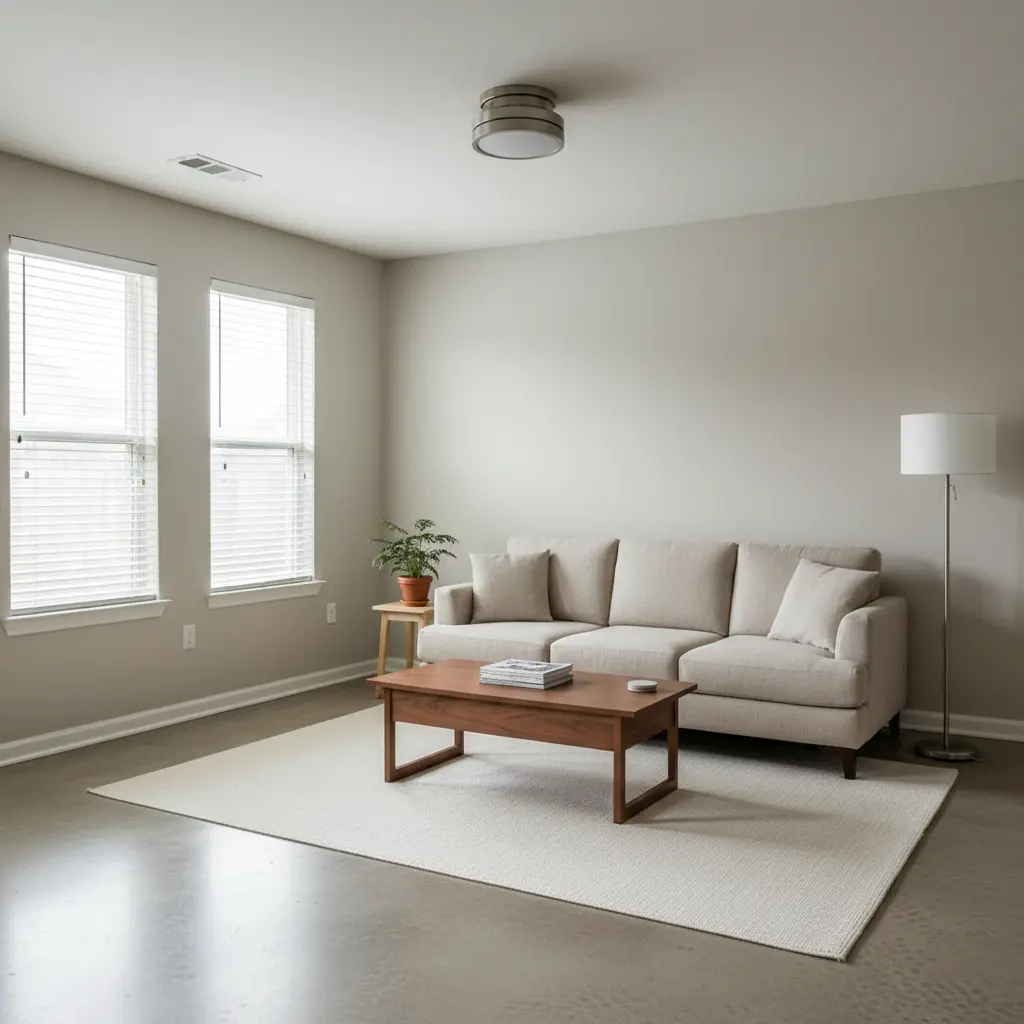
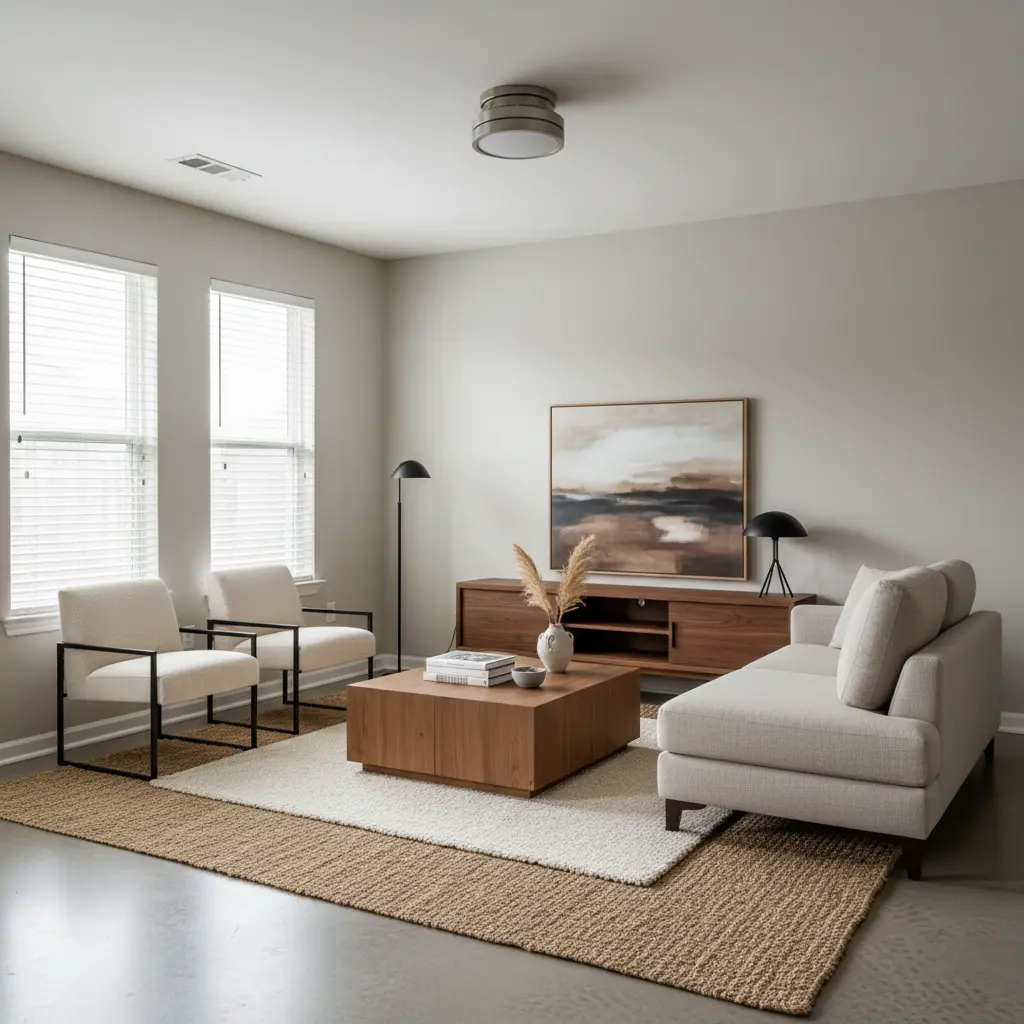
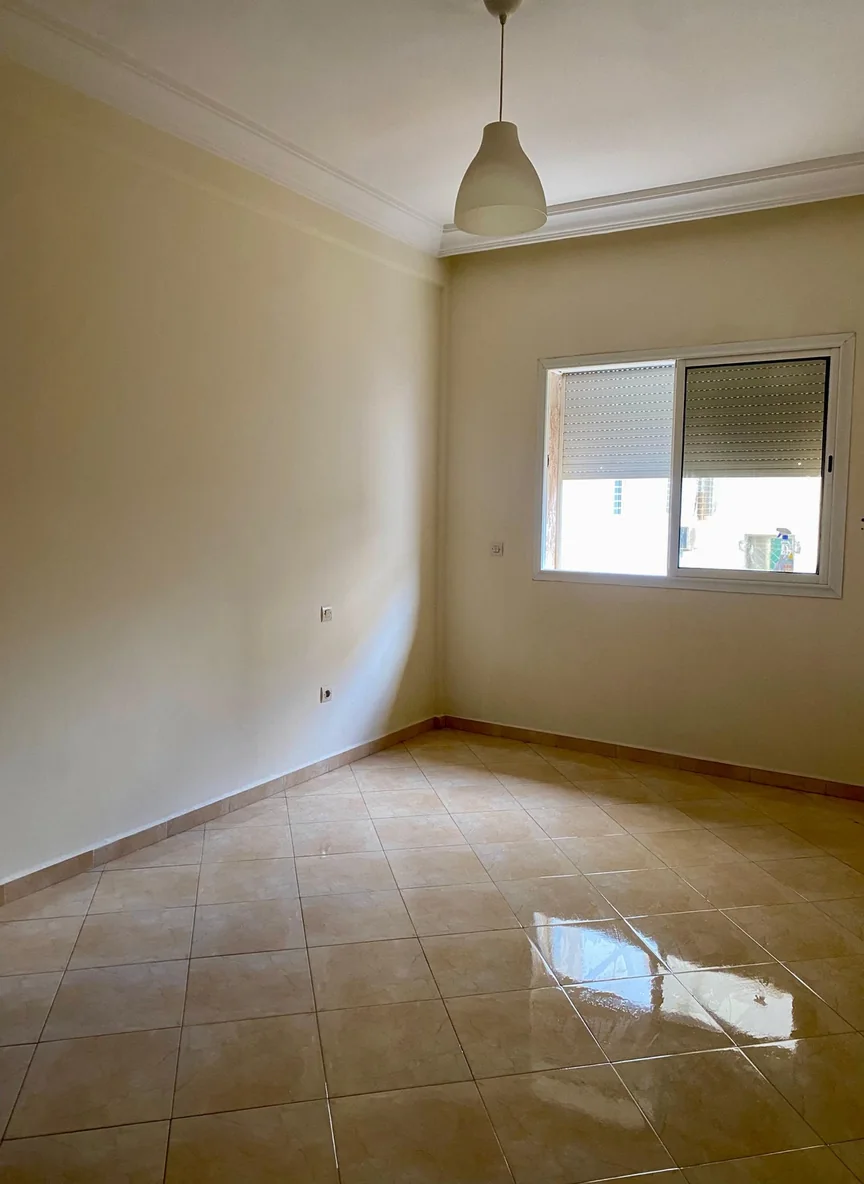
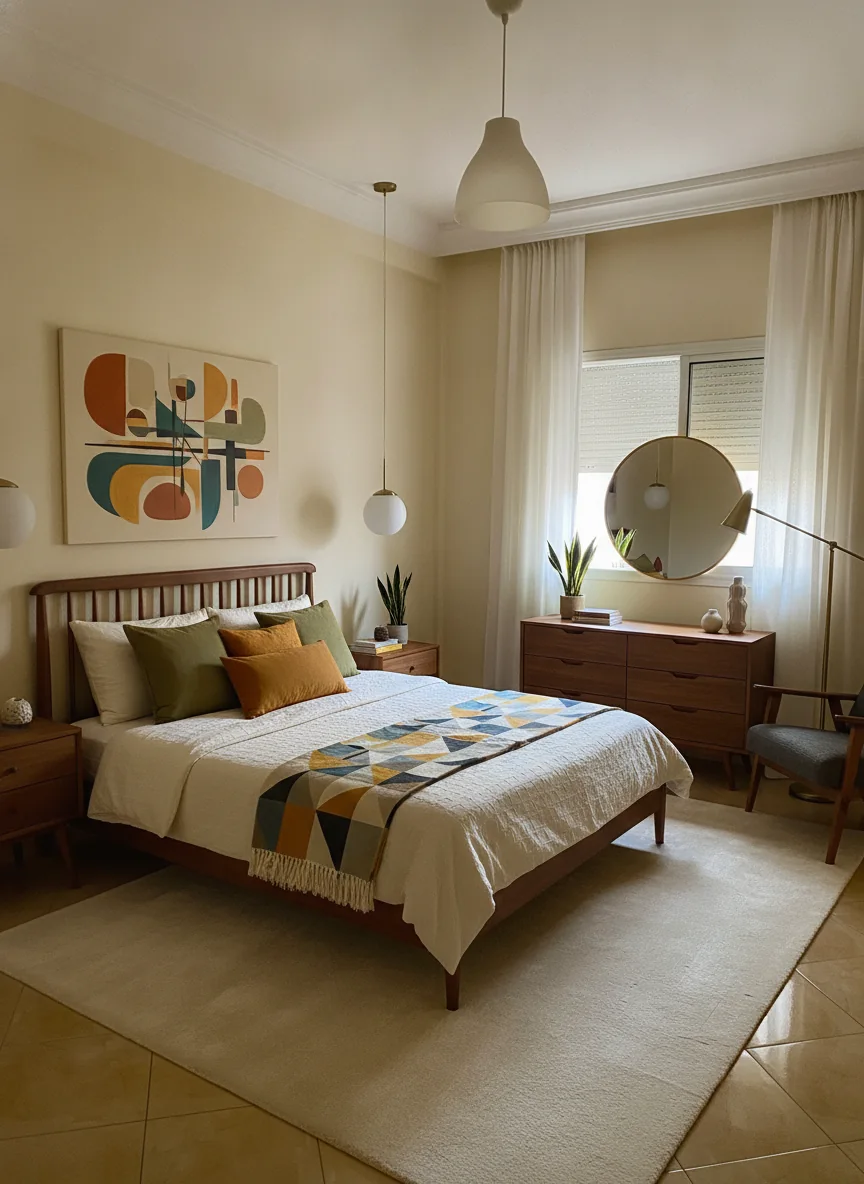
AI tools like Tigmi have transformed how interior design enthusiasts experiment with ideas. By uploading a photo of your actual room, you can instantly visualize changes in materials, colors, and furniture placement before committing. This capability reduces costly mistakes—like choosing the wrong paint tone or misjudging scale—and fosters confidence in your decisions. However, AI-generated designs aren’t flawless; they may overlook nuanced tactile experiences or the subtle way natural light warms a space throughout the day. That’s why pairing AI visualization with a solid grounding in design basics is essential. Tools like Tigmi empower you to iterate quickly but mastering material pairings, color temperature, and spatial flow ensures your final room feels cohesive and inviting.
Style inspiration
Modern Organic
Pair limewashed white oak flooring with a warm mushroom-colored wool rug to ground the room softly. Combine linen sofas in an off-white shade with curved, low-profile furniture to invite relaxation. Add unlacquered brass light fixtures and natural jute baskets for texture contrast. This style works because it balances natural materials with warm neutrals, creating a soothing, tactile environment.
Urban Minimalist
Use polished concrete floors paired with black metal framed furniture to establish an industrial feel. Keep walls in a crisp Swiss Coffee to maintain brightness. Integrate glass and chrome accents for an edgy contrast. Furniture should be angular and slim to preserve space. The minimalist palette anchored by hard surfaces creates a sleek, sophisticated look.
Scandinavian Cozy
Select pale ash wood floors with Venetian plaster walls in a soft cream hue. Add plush bouclé armchairs and wool throws in muted blush and gray tones. Incorporate natural leather ottomans and minimalist pendant lighting in matte black. The mix of soft textures with bright, natural materials yields warmth and simplicity, vital to Scandinavian design.
Classic Elegance
Employ travertine floors and rich walnut furniture for a timeless foundation. Walls painted in Benjamin Moore’s Simply White provide a clean contrast. Upholstery in velvet jewel tones like emerald or sapphire adds luxury. Use antique brass hardware and crystal chandeliers to heighten sophistication. This combination works because it balances traditional materials with bold color to create drama without excess.
Materials & Palette
- • Limewashed white oak flooring — grounds the room while reflecting light. Pair with linen upholstery and unlacquered brass pulls. Budget alternative: vinyl plank in a matte ash tone.
- • Venetian plaster walls in warm cream — adds subtle texture and depth to brighten spaces with low natural light. Budget alternative: textured paint or high-quality wallpaper.
- • Travertine countertops — smooth, warm stone with natural veining for kitchen or bath. Budget alternative: quartz with subtle marble patterns for durability and cost savings.
- • Bouclé textiles in warm beige or mushroom — tactile and inviting for upholstery or cushions. Budget alternative: textured cotton or synthetic blends with a similar feel.
Designer's Tip
Always photograph your room in natural daylight from a corner that captures the main seating area and light sources. This angle gives AI tools like Tigmi the best perspective to accurately model spatial proportions and light quality, making your virtual designs much more realistic and actionable.
Layout & Styling Moves
- Ensure rugs are large enough so that the front legs of all seating rest on them—this anchors the furniture and defines the seating area.
- Keep your primary seating group within a 2.5-meter radius to facilitate comfortable conversation and interaction.
- Coffee tables should be 40-45cm high, roughly level with sofa seat cushions, to maintain ergonomic ease.
- In smaller rooms, avoid overly bulky furniture; opt for pieces with exposed legs or glass tops to preserve visual openness.
Pros & Cons
+ Advantages
- + Rapid visualization of design ideas saves time and reduces costly mistakes.
- + Ability to test multiple material and color combinations in your actual space.
- + Enhances confidence in choosing proportions and layouts before purchasing.
- + Accessible to non-experts, democratizing interior design.
- Considerations
- - AI may not fully capture tactile qualities or subtle lighting shifts.
- - Design suggestions sometimes lack nuanced cultural or personal context.
- - Overreliance can lead to generic or uninspired design without foundational knowledge.
How to visualize this with Tigmi
-
1
Take a photo of your room in natural daylight from the corner—this gives the AI the most accurate read of your space's proportions and light quality.
-
2
Upload the image to Tigmi and experiment with different materials like white oak floors or bouclé upholstery to see what resonates.
-
3
Adjust color palettes within the tool, comparing warm whites like Simply White against cooler Swiss Coffee to observe mood shifts.
-
4
Use layout options to ensure furniture proportions and rug sizes follow design principles before finalizing purchases.
Key Takeaways
-
1
Material and color choices remain the backbone of great design, even with AI assistance.
-
2
Proper proportioning—like rug size and furniture scale—prevents common decor mistakes.
-
3
Budget-friendly alternatives can replicate aspirational looks with smart substitutions.
-
4
AI tools are best used to test ideas quickly, not as a replacement for foundational design knowledge.
Frequently Asked Questions
Can AI interior design generators replace professional designers?
AI interior design generators are powerful visualization tools but don’t replace the nuanced expertise of professional designers. They excel at helping you experiment with colors, materials, and layouts quickly, yet they can miss contextual insights and tactile considerations a pro would provide.
What materials work best with AI-generated designs?
Materials with clear textures and finishes, like white oak, travertine, and bouclé, translate well in AI visualizations. These surfaces show how light interacts with texture, helping you envision the room’s feel. Avoid overly reflective or very dark materials that AI may render less accurately.
How do I choose the right color palette using AI tools?
Start by testing foundational wall colors like Benjamin Moore’s Simply White or Swiss Coffee in your room’s photo. Observe how natural light affects these hues throughout the day, then layer in coordinating textiles and furniture colors. AI can simulate these shifts, but always verify with physical swatches if possible.
Are there common mistakes to avoid when using AI design generators?
Yes, a frequent error is ignoring scale and proportion—like selecting furniture that appears stylish but is too large or small for the space. Also, relying solely on AI suggestions without considering tactile qualities or personal style can lead to uninspired results.
Can AI design tools help in small or rental spaces?
Absolutely. AI tools can help you visualize non-permanent solutions like peel-and-stick tiles, lighter paint colors, or modular furniture to maximize space and keep rentals damage-free. This experimentation helps you commit to choices that fit your constraints.
What’s the best way to integrate AI-generated designs with real-life decorating?
Use AI to create several design options, then cross-reference those ideas with in-person material samples and your room’s lighting conditions. This hybrid approach ensures that what looks good digitally will feel just as right when you touch it and live in the space.
Ready to see it in your room?
Try uploading your room photo to Tigmi to experiment with materials and layouts, ensuring your AI-inspired design ideas work beautifully in your own space.
Explore more with Tigmi
- AI Interior Design Studio — Overview of the core room redesign workflow.
- AI Room Makeover — Room-by-room transformations with presets and Room Lock.
- AI Virtual Staging — Stage empty spaces for listings in minutes.
- Style Gallery — Browse 16+ style presets and example renders.
- Pricing & Plans — Compare free and pro tiers before you start.