Tigmi.
Trusted by Designers, Agents and Homeowners

AI Interior Design Austin

Tigmi data shows 28% of Austin projects trend luxe. Use AI staging, warm minimal southwest palettes with plaster, walnut, and matte-black lighting, and textured plaster, fluted oak, and steel-and-glass partitions to launch faster.

1-2 mintypical render time
100%architecture preserved
2,847projects completed

First render free • Uploads stay private. Delete any time.

  • Instant results
  • Room Lock™
  • Light Lock™
  • Style Engine™
Client photoAI Decor Studio
Before interior
BeforeOriginal room
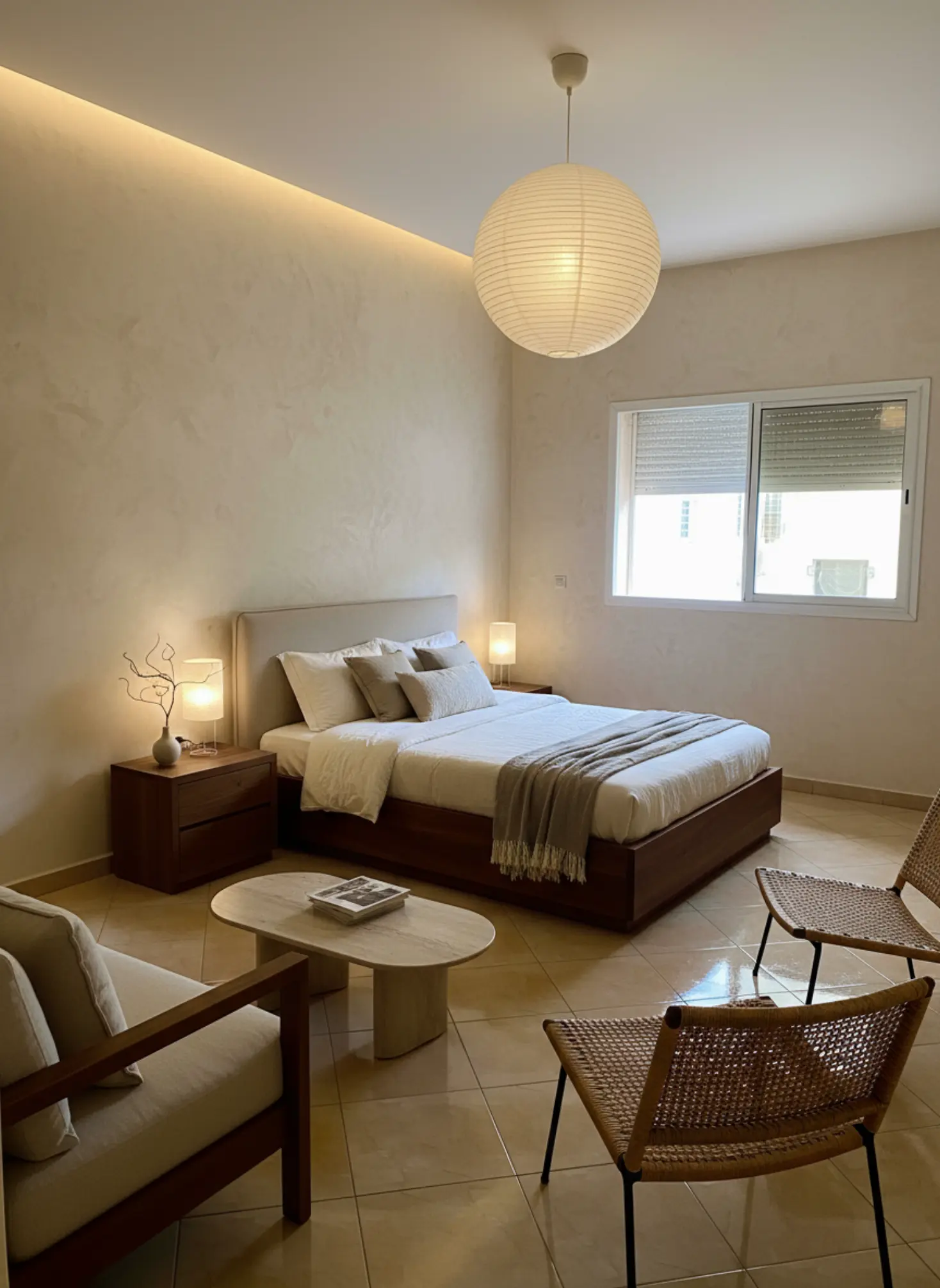
AfterAI redesigned

How it works

Three simple steps to transform your space

1

Upload photo

Drag & drop your room photo or click to browse

2

Pick style

Choose from 16 designer-curated styles

3

Get results

Download photorealistic redesign in minutes

See the transformation

Real rooms, real results. Our AI preserves your architecture while creating stunning makeovers.
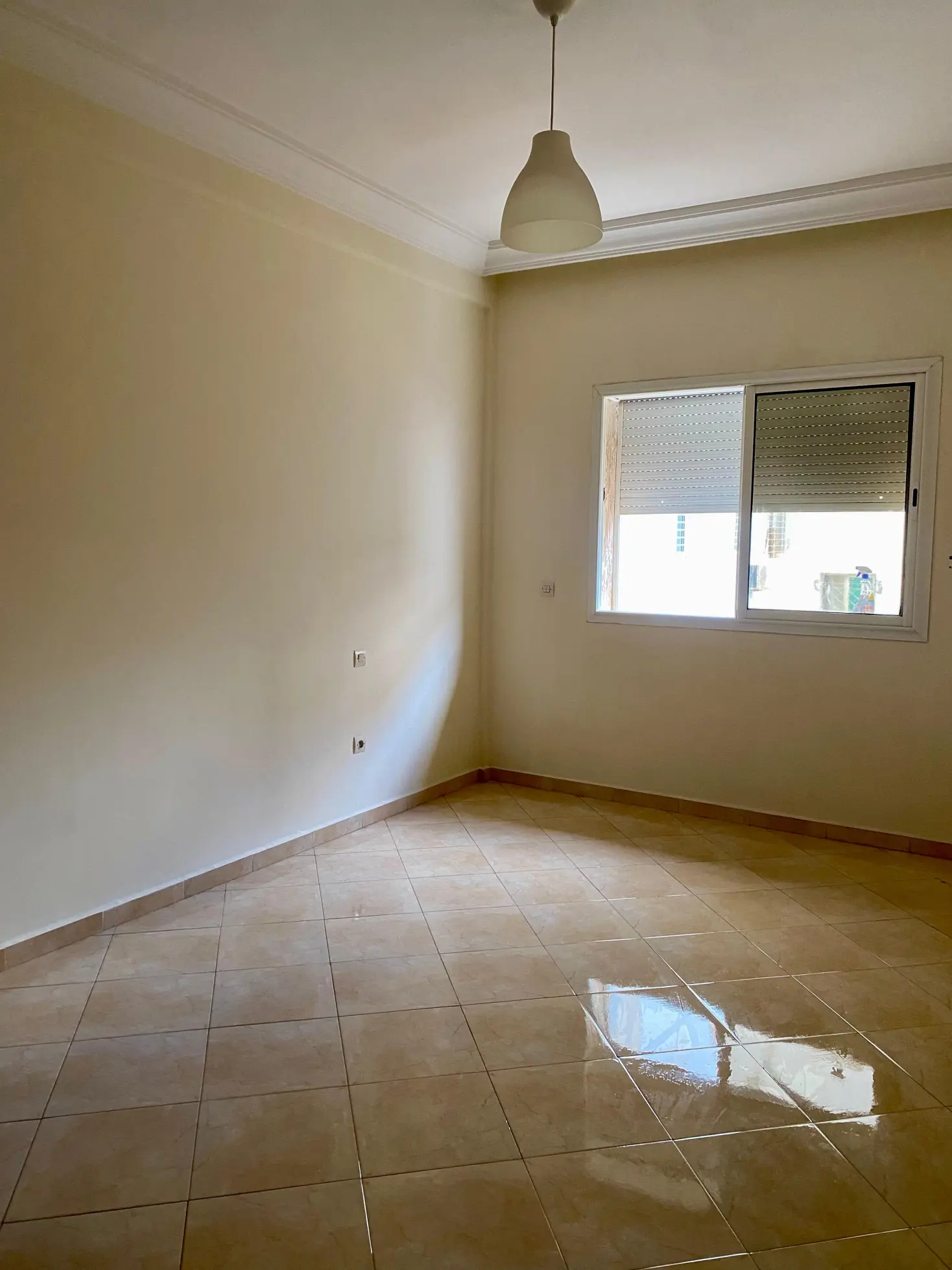
Before makeover
After makeover
Before makeover
After makeover

Bedroom Redesign: Transformed a cluttered bedroom into a modern, minimalist haven.

What our AI preserves

  • Room proportions

    Ceiling height, wall dimensions, and spatial relationships

  • Natural lighting

    Window placement, light direction, and shadows

  • Architectural details

    Moldings, built-ins, and structural elements

  • Camera angle

    Maintains your original perspective and framing

Ready to transform your space?

Upload your room photo and see the magic happen in minutes.

Try it free now

AI Interior Design in Austin, Texas – Sunbelt tech Playbook

Austin’s interiors feel like the city itself: sun-washed, creative, and a little bit restless in the best way. In neighborhoods like Clarksville, East Austin, Travis Heights, and the newer infill pockets near Zilker, you’ll see everything from mid-century ranches and 1970s remodels to limestone-clad contemporary homes and compact condos aimed at Sunbelt tech buyers. The strongest rooms here balance warmth with restraint — plaster walls, walnut casework, matte-black lighting, and just enough texture to soften the bright Texas light. As pre-SXSW refreshes and early spring listing season pick up, Austin homeowners are paying closer attention to spaces that feel polished without losing that relaxed, indoor-outdoor rhythm.

VC-backed relocators upgrading builder-grade homes along the Colorado River. This playbook shows how to brief Tigmi so every render mirrors textured plaster, fluted oak, and steel-and-glass partitions and the premium touchpoints Sunbelt tech buyers expect.

Design Guide: Austin

Austin’s dominant interior look is a warm minimal Southwest palette with a cleaner, more urban edge than you’d find in Hill Country vacation homes. Think limewash or hand-troweled plaster in soft bone, sand, and putty tones; white oak or walnut millwork; honed quartzite or Carrara marble; and matte-black fixtures that quietly anchor the room. In bungalows east of I-35 and updated ranch homes in Allandale or Brentwood, fluted oak cabinetry and steel-and-glass partitions are popular because they bring structure without making the plan feel heavy. The climate matters too: strong sun, long summers, and dust from open yards make durable finishes essential, so performance fabrics, washable slipcovers, and low-sheen paint are smarter choices than delicate, high-maintenance surfaces. Furniture here tends to lean low, clean-lined, and tactile — bouclé chairs, saddle-leather stools, travertine coffee tables, and woven rugs that can stand up to bare feet and heavy use. You also see a lot of design influenced by the city’s casual hospitality culture: rooms that can host friends after a Barton Springs afternoon or before a dinner on South Congress without feeling overworked.

For homeowners and designers, AI visualization is especially useful in Austin because so many properties sit between two identities: builder-grade and architecturally promising. A 2018 spec home in Circle C, a dated condo near the Seaholm district, or a limestone house in Tarrytown can all look dramatically different once you test a few directions before buying furniture or starting a renovation. Tigmi helps you upload a room photo and see a photorealistic makeover while preserving the real architecture — the windows, wall lines, ceiling height, and natural light stay true to the space. That matters here, where west-facing rooms can run hot and bright, and an idea that looks beautiful on a mood board may feel harsh once the afternoon sun hits the plaster. It’s a fast way to compare Modern Haven, Japandi Calm, Coastal Breeze, or a more regional Southwestern palette without committing to the wrong tile, sofa scale, or cabinet finish.

Austin’s staging opportunity is strong because the buyer pool is broad but selective: VC-backed relocators, hybrid workers, and move-up buyers all want homes that feel ready for life now. In a market with a median home price around $640,000, a dated interior can easily get overlooked, especially if it sits in a competitive corridor like East Austin, Mueller, or the neighborhoods along the Colorado River. Virtual staging helps a listing read as intentional instead of empty, which is especially valuable for open-concept plans where buyers struggle to judge scale and flow. A simple transformation — adding a walnut dining table, a pale sofa, black metal lighting, and a few grounded accessories — can make a builder-grade house feel tailored without the cost or logistics of renting physical furniture. For agents working through the early spring listing season, it’s a practical way to show how a space can live before the first open house even starts.

Market Snapshot: Austin

  • Median closing price: $640,000
  • Luxury / design-forward share: 28%
  • Remote or hybrid households: 32%
  • AI design search growth YoY: 41%
  • Seasonal hook: Pre-SXSW refreshes and early spring listing season

AI Plays That Convert in Austin

  1. 1

    Editorial staging for premium listings

    Pair Tigmi's virtual staging mode with textured plaster, fluted oak, and steel-and-glass partitions cues so renderings feel hyper-local.

  2. 2

    Plan sets for developers

    Export AI room boards showing finish schedules and furniture groupings to speed meetings with lenders and buyers.

  3. 3

    Always-on content for marketing teams

    Turn site visits into before/after reels that spotlight sunbelt tech craftsmanship and Tigmi's Room Lock™ accuracy.

High-Impact Use Cases

  • Austin: Fireplace wall redesigns for new-build homes
  • Austin: Quick listing visuals for Crestview bungalows
  • Austin: Social-ready content for Austin design creators

Launch Checklist for Austin

01

Capture the real space

Shoot straight-on angles with natural light so Tigmi preserves architecture.

02

Reference local materiality

Mention warm minimal southwest palettes with plaster, walnut, and matte-black lighting and call out hero materials (ex: Textured plaster, fluted oak, and steel-and-glass partitions).

03

Package the deliverable

Combine still renders, short AI video loops, and a sourcing note to close the loop with homeowners.

How Austin Professionals Use Tigmi

Refreshing a builder-grade home in Circle C before spring showings

A typical Circle C plan can feel flat fast: beige walls, glossy tile, and bulky trim that dates the whole house. Using Tigmi, you can test a warmer plaster look, white oak cabinetry, and matte-black lighting before touching a single surface, which helps you decide whether the renovation budget should go toward the kitchen, the great room, or the primary suite.

Helping a condo near Seaholm feel more tailored to a relocating buyer

Many downtown and Seaholm-area condos have great light but very little personality. AI visualization lets you try tighter-scale furniture, steel-and-glass room dividers, and a restrained palette that complements the skyline views without fighting them.

Preparing an East Austin listing for a faster sale

In East Austin, buyers often respond to homes that feel current but not overdesigned. You can use Tigmi to stage an open living area with fluted oak details, textural rugs, and simple art so the property reads as move-in ready for a tech buyer comparing several listings in the same week.

Local Design Tips for Austin

  • Choose low-sheen wall finishes, especially in west-facing rooms, because Austin’s late-day sun can make glossy paint feel harsh and reveal every imperfection.
  • Use white oak, walnut, or rift-cut oak for built-ins and cabinetry if you want a palette that feels warm against limestone, brick, or concrete floors common in Austin homes.
  • Specify performance upholstery in bouclé, linen blends, or tightly woven cotton for homes near open yards and patios, where dust and heavy use are part of daily life.
  • If your home has a long, narrow plan — common in East Austin cottages and many infill builds — use steel-and-glass partitions instead of full walls to borrow light without sacrificing privacy.

Local Insider Insight

The biggest mistake I see in Austin is overcorrecting for trend and ending up with a room that feels too sterile for the city’s climate and culture. Buyers here respond to texture and authenticity — plaster, oak, limestone, handmade tile, and well-scaled lighting — not just expensive finishes. If you’re sourcing locally, look at Austin-area stone yards and cabinet makers early, because lead times can stretch right when pre-SXSW projects and spring listings start competing for the same trades.

Frequently Asked Questions

What interior design style works best in Austin, Texas?

Warm minimal Southwest design works best in Austin because it suits the climate, the architecture, and the city’s relaxed but design-aware lifestyle. Plaster walls, walnut, fluted oak, and matte-black lighting feel especially at home in ranch remodels, East Austin bungalows, and newer infill houses.

How can I make my Austin home feel cooler in the summer without losing warmth?

Use light-reflective neutrals, natural textures, and breathable fabrics to keep the home feeling airy while still grounded. In Austin, that usually means bone-colored plaster, white oak, linen drapery, and a few darker accents like blackened steel or walnut to keep the palette from feeling washed out.

Is virtual staging worth it for selling a home in Austin?

Yes, virtual staging is worth it for many Austin listings because it helps buyers understand scale and lifestyle quickly. That matters in a market where relocators often compare several homes at once, especially in neighborhoods like Mueller, East Austin, and the areas near the Colorado River.

What should I avoid when decorating a home in Austin?

Avoid overly cool gray interiors and heavy, dark furniture that fights the city’s bright natural light. In Austin homes, those choices can make rooms feel flat and smaller, especially in open layouts with big windows and strong afternoon sun.

Ready to publish?

Batch create Austin visuals, export watermark-free downloads, and send shoppable boards to homeowners without leaving Tigmi.

Start creating with Tigmi →

Explore more with Tigmi

Ready to transform your space?

Upload your room photo and see the magic happen in minutes.

Try it free now

Upload a room photo and get a designer level makeover in minutes

Try your room free