AI Interior Design — Practical Guide for 2026
Homeowners curious about “Ai Interior Design” want to see how AI can refresh their rooms without endless revisions. Pair gentle palettes with guided prompts to keep results human and warm.
First render free • Uploads stay private. Delete any time.
- Instant results
- Room Lock™
- Light Lock™
- Style Engine™

How it works
Three simple steps to transform your space
Upload photo
Drag & drop your room photo or click to browse
Pick style
Choose from 16 designer-curated styles
Get results
Download photorealistic redesign in minutes
See the transformation
Real rooms, real results. Our AI preserves your architecture while creating stunning makeovers.
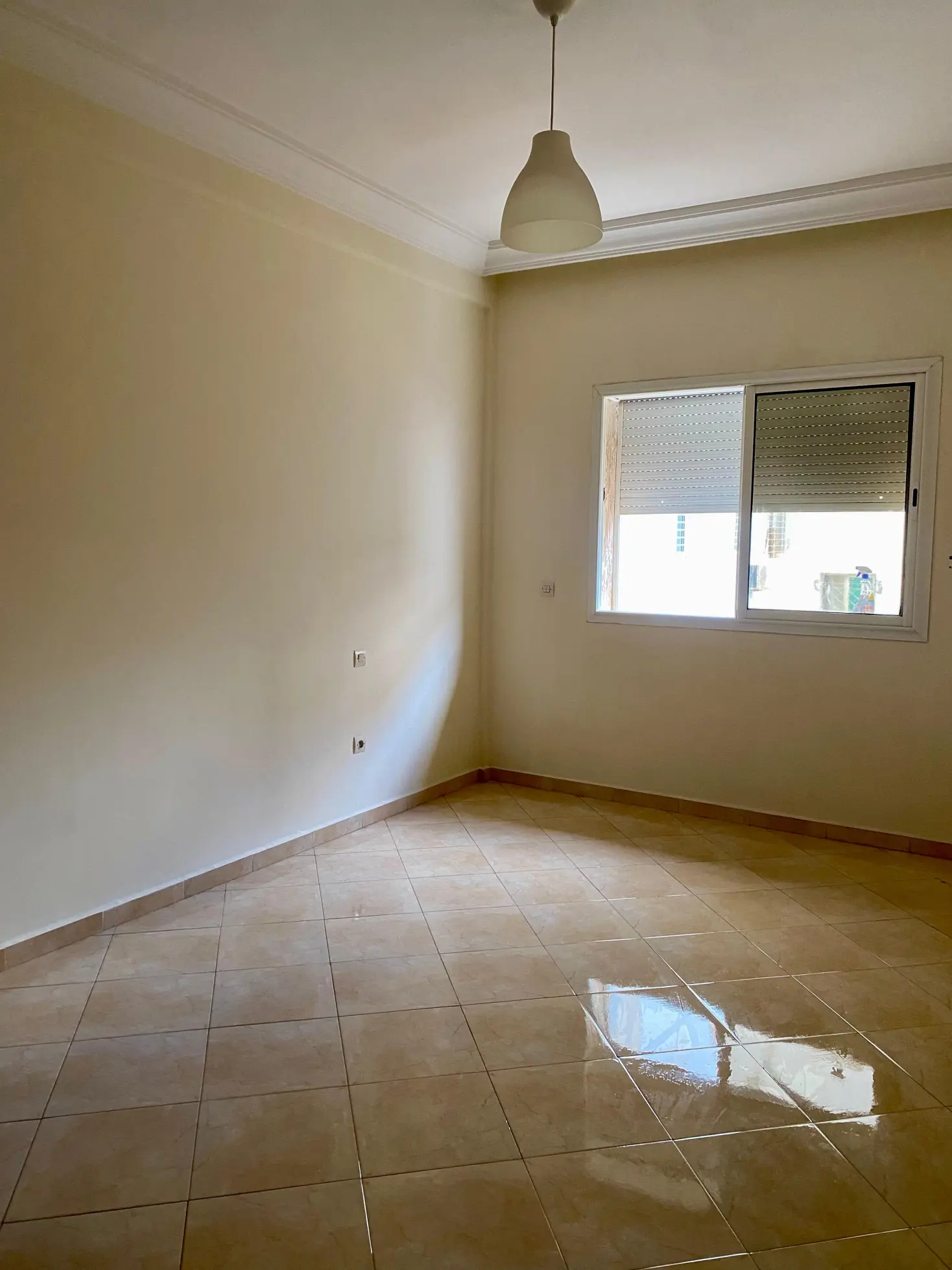
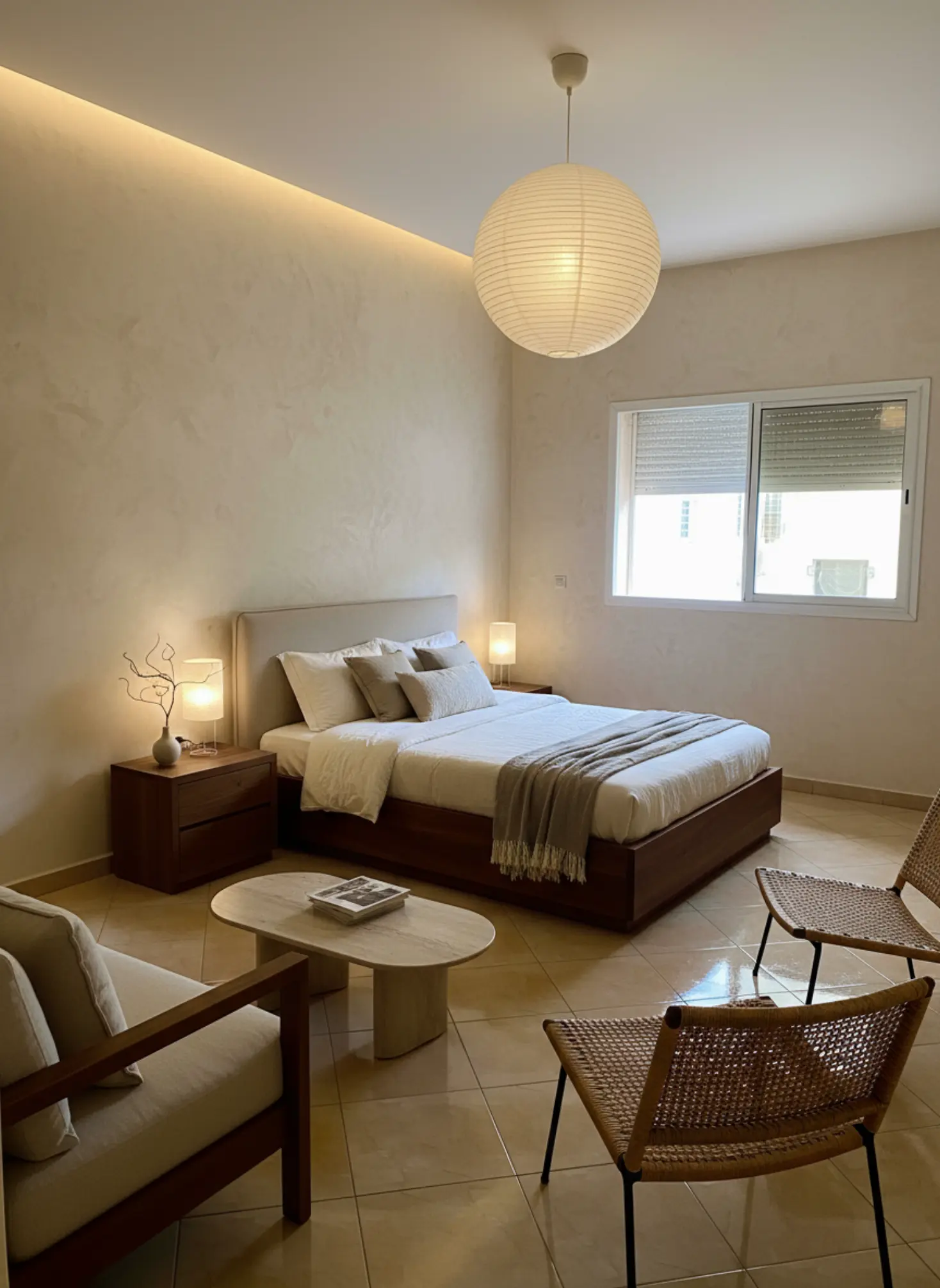
Bedroom Redesign: Transformed a cluttered bedroom into a modern, minimalist haven.
What our AI preserves
- ✓
Room proportions
Ceiling height, wall dimensions, and spatial relationships
- ✓
Natural lighting
Window placement, light direction, and shadows
- ✓
Architectural details
Moldings, built-ins, and structural elements
- ✓
Camera angle
Maintains your original perspective and framing
Ready to transform your space?
Upload your room photo and see the magic happen in minutes.
Try it free nowAi Interior Design
Homeowners curious about “Ai Interior Design” want to see how AI can refresh their rooms without endless revisions. Pair gentle palettes with guided prompts to keep results human and warm.
Tigmi's AI design studio helps you turn ai interior design into a real-room plan, so you can explore finishes, lighting, and layout before you commit.
Style inspiration
Sunlit Reset
Use chalky plaster, sheer linen drapery, and pale oak casegoods for an airy refresh.
Collected Modern
Mix sculptural lighting, low-slung sofas, and curated art stacks for a gallery-meets-home feeling.
Tactile Calm
Layer boucle, washed linen, and stone pedestals with a single saturated accent color for focus.
Materials & Palette Cues
- • Chalk white + sandy oat
- • Sage + warm walnut
- • Ink accents + oxidized brass
Layout & Styling Moves
- Shoot rooms from eye level and keep the floor visible so the AI reads proportions correctly.
- Call out heirloom pieces you want to keep (“preserve vintage credenza”) inside the notes field.
- Use asymmetrical lighting prompts to maintain a soft, lived-in glow.
Design snapshot
Quick cues to keep ai interior design consistent across rooms, budgets, and shopping lists.
- Input quality: a well-lit, clutter-free photo gives ai interior design tools the best starting point for accurate renders.
- Prompt structure: describe style + materials + lighting + mood in that order for the most coherent results.
- Iteration strategy: change only one element per render to understand what each variable contributes.
- Render comparison: generate 3-5 ai interior design variations and rank them before committing to one direction.
- Reality check: overlay the render against your floor plan to catch scale issues early.
- Sharing tip: export your best render as a visual brief for contractors, painters, and furniture retailers.
Design checklist
Use this checklist to keep ai interior design cohesive from the first render to the final styling pass.
- Upload a clear, well-lit photo of the room you want to redesign - angle and natural light matter for accurate AI renders.
- Start with a simple prompt describing the style you want, then iterate by adjusting one variable at a time (color, material, layout).
- Use the AI render as a design brief, not a shopping list - it shows direction, not exact products.
- Compare 3-4 different ai interior design render variations before locking in a direction.
- Save your best prompts so you can reuse them for other rooms and maintain a consistent style throughout the home.
- Check the render against your room's actual dimensions - AI can suggest layouts that do not fit the real footprint.
- Share the AI render with contractors or retailers to communicate your vision more clearly than words alone.
Prompt starters
Use these Tigmi prompts to explore ai interior design variations quickly.
- ai interior design, photorealistic render, warm afternoon light, clean composition, magazine quality.
- ai interior design, before and after comparison, same angle, dramatic transformation, neutral to styled.
- ai interior design, multiple style options in one room, side by side, modern vs classic vs boho.
- ai interior design, empty room to fully furnished, staged for real estate, bright and inviting.
Bring it to life
Use this action plan to turn ai interior design renders into real-world decisions.
- Upload your room photo and generate 3-5 ai interior design variations with different prompts.
- Compare the renders side by side and pick the direction that feels most achievable and aligned.
- Extract a material list from the winning render: note the flooring, wall treatment, key furniture shapes.
- Share the render with your household or contractor to align everyone before any purchases.
Workflow tips
Use Tigmi to test the ai interior design direction quickly, then lock in the details that feel right for the way you live.
-
1
Capture the room with phone photos—straight on, good daylight, minimal clutter.
-
2
Choose a preset (Japandi Natural, Soft Loft, High Contrast) and add any must-keep items.
-
3
Experiment with custom prompts for color or material swaps, then compare multiple looks side by side.
-
4
Download high-res images and short video loops to share with family or contractors.
Frequently Asked Questions
Do I need professional photography for AI renders?
No. Phone photos work—just shoot straight on, include the floor and ceiling, and avoid extreme wide angles.
Can I see multiple design ideas for the same room?
Absolutely. Duplicate a render, tweak the prompt (color palette, style cues, art direction), and you’ll have polished options within minutes.
Related reads
Ready to visualize?
Experiment with fresh ai interior design looks this afternoon—no contractor required.
Explore more with Tigmi
- AI Interior Design Studio — Overview of the core room redesign workflow.
- AI Room Makeover — Room-by-room transformations with presets and Room Lock.
- AI Virtual Staging — Stage empty spaces for listings in minutes.
- Style Gallery — Browse 16+ style presets and example renders.
- Pricing & Plans — Compare free and pro tiers before you start.
Ready to transform your space?
Upload your room photo and see the magic happen in minutes.
Upload a room photo and get a designer level makeover in minutes
Try your room free