Breaking Down Interior Designer Costs: What You’re Really Paying For and How to Maximize Your Budget
Interior designer fees often feel like a mystery wrapped in an invoice—but understanding what drives these costs can transform how you plan your space. From materials to scale, discover how design decisions impact your budget and how to avoid common pitfalls that inflate costs unnecessarily.
Tigmi Local Intelligence
Updated March 27, 2026

Imagine stepping into a living room where every surface, texture, and hue feels perfectly curated to your taste. The warmth of white oak floors blends seamlessly with the soft tactile appeal of a bouclé sofa, while Venetian plaster walls shift subtly from dawn’s glow to evening shadows. Achieving this harmony isn’t about splurging blindly—it's about smart decisions, understanding true costs, and knowing where your budget does the most work. Interior designer fees aren’t just arbitrary numbers; they reflect intricate choices that balance aesthetics, function, and longevity.
Understanding Interior Designer Cost
Understanding interior designer costs begins with breaking down what you’re paying for: expertise, time, and access to resources. Most designers charge through a combination of flat fees, hourly rates (typically $100–$250/hour), or a percentage of the project cost, usually 10–20%. This can include initial concept development, sourcing materials like travertine or terrazzo, furniture selection, and installation oversight. One common misstep is underestimating how much detailed planning—like choosing the right paint tone (e.g., Benjamin Moore Simply White versus Swiss Coffee)—affects the overall budget. Proportion rules, such as ensuring sofas have front legs resting on the rug, also impact costs because improper sizing often leads to last-minute purchases and returns. Knowing these factors helps you avoid surprises and leverage your investment for lasting style.
Applying this knowledge room-by-room clarifies where to allocate funds effectively. In a kitchen remodel, for instance, selecting a budget-friendly matte quartz countertop instead of marble can save thousands without sacrificing elegance. For renters or small spaces, investing in versatile pieces like a white oak nesting table set or a bouclé accent chair creates impact without permanent changes. Even lighting choices—Venetian plaster walls reflect light differently throughout the day, so layering with warm brass floor lamps versus cheaper plastic fixtures can elevate mood and longevity. At every stage, consider aspirational versus budget options: a custom travertine backsplash commands a higher price, but good-quality porcelain tiles in a similar veined pattern offer affordable alternatives. This balance ensures your money enhances the design narrative rather than detracting from it.
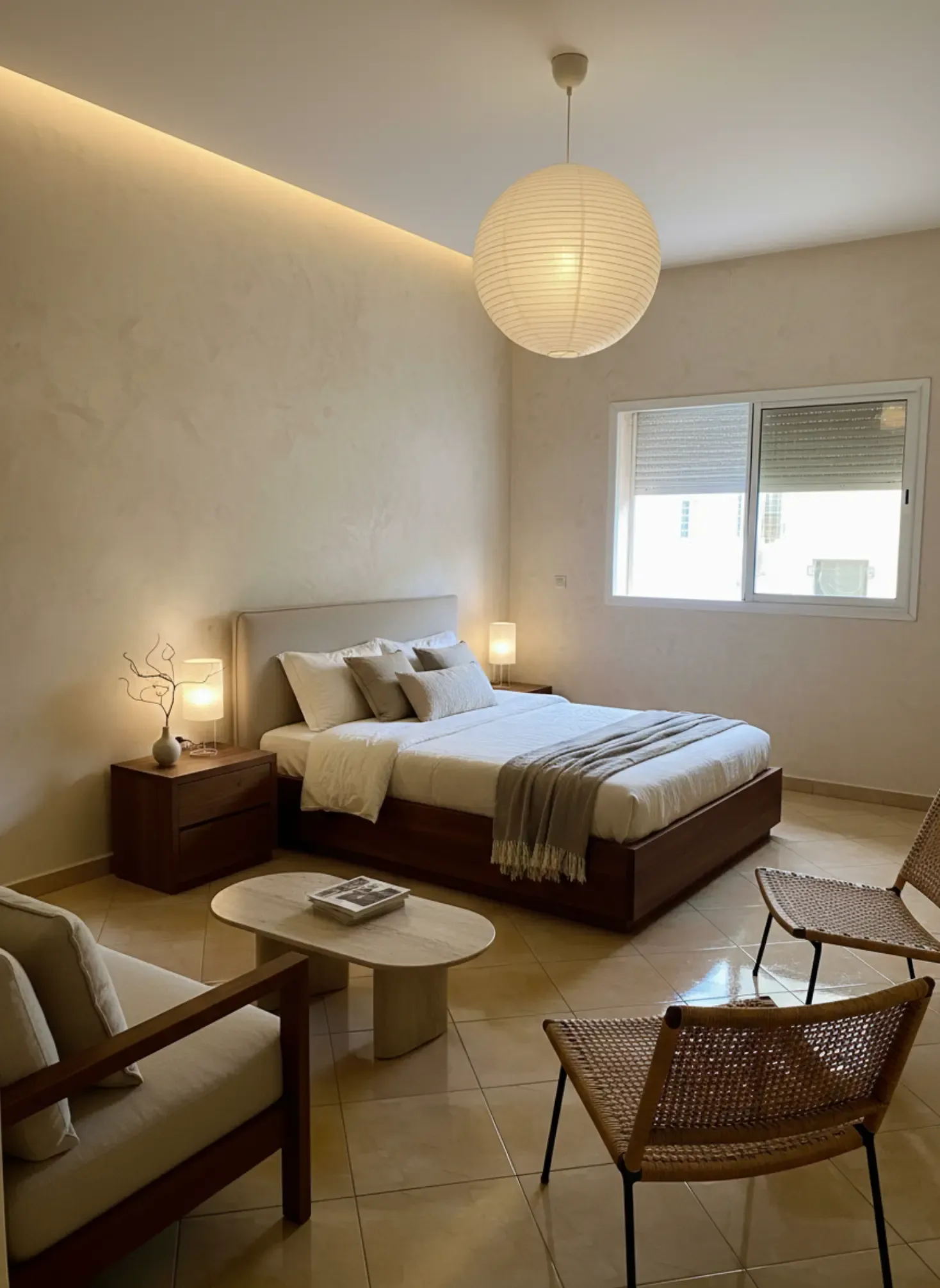
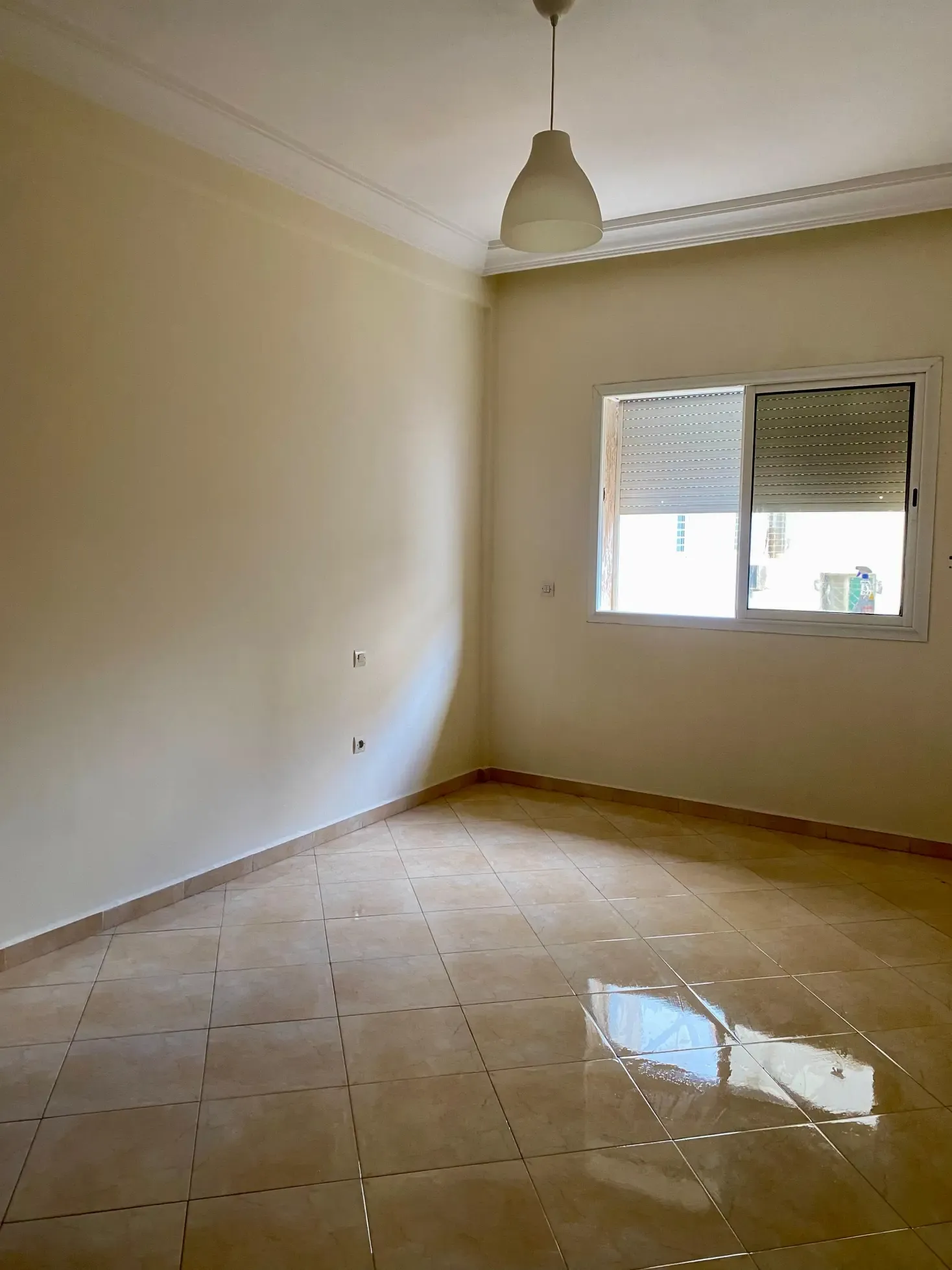
AI visualization tools like Tigmi are revolutionizing how interior design costs are approached by allowing you to preview ideas before committing. Uploading a photo of your existing space lets you experiment with material pairings, paint colors, and furniture layouts in seconds—crucial for understanding how white oak floors or bouclé upholstery will look under your room’s natural light. While AI can’t replace a designer’s nuanced eye, it grants a powerful sense-check to avoid costly mistakes such as choosing a rug that’s too small or a paint tone that clashes with your furnishings. Ultimately, tools like Tigmi empower you to make informed budget decisions, enhancing collaboration with your designer or even enabling confident solo projects.
Style inspiration
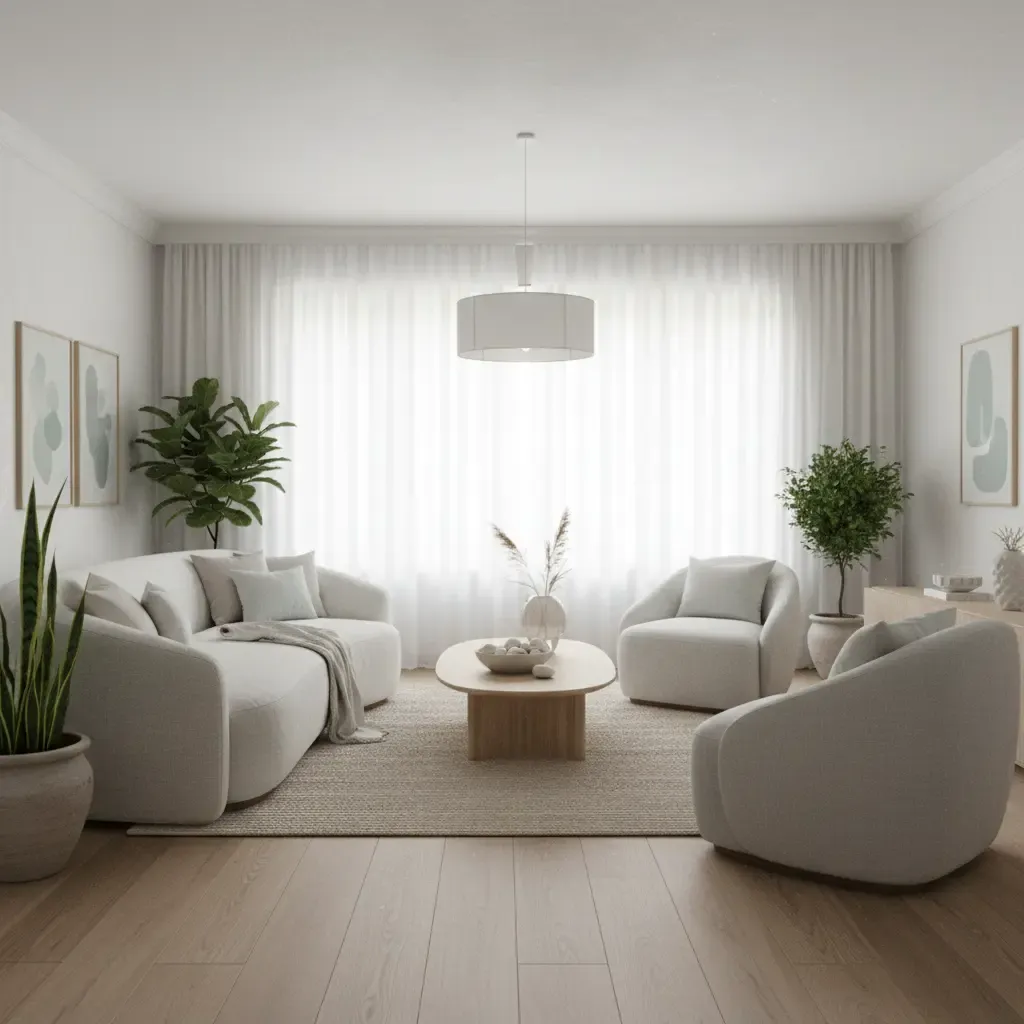
Modern Scandinavian Warmth
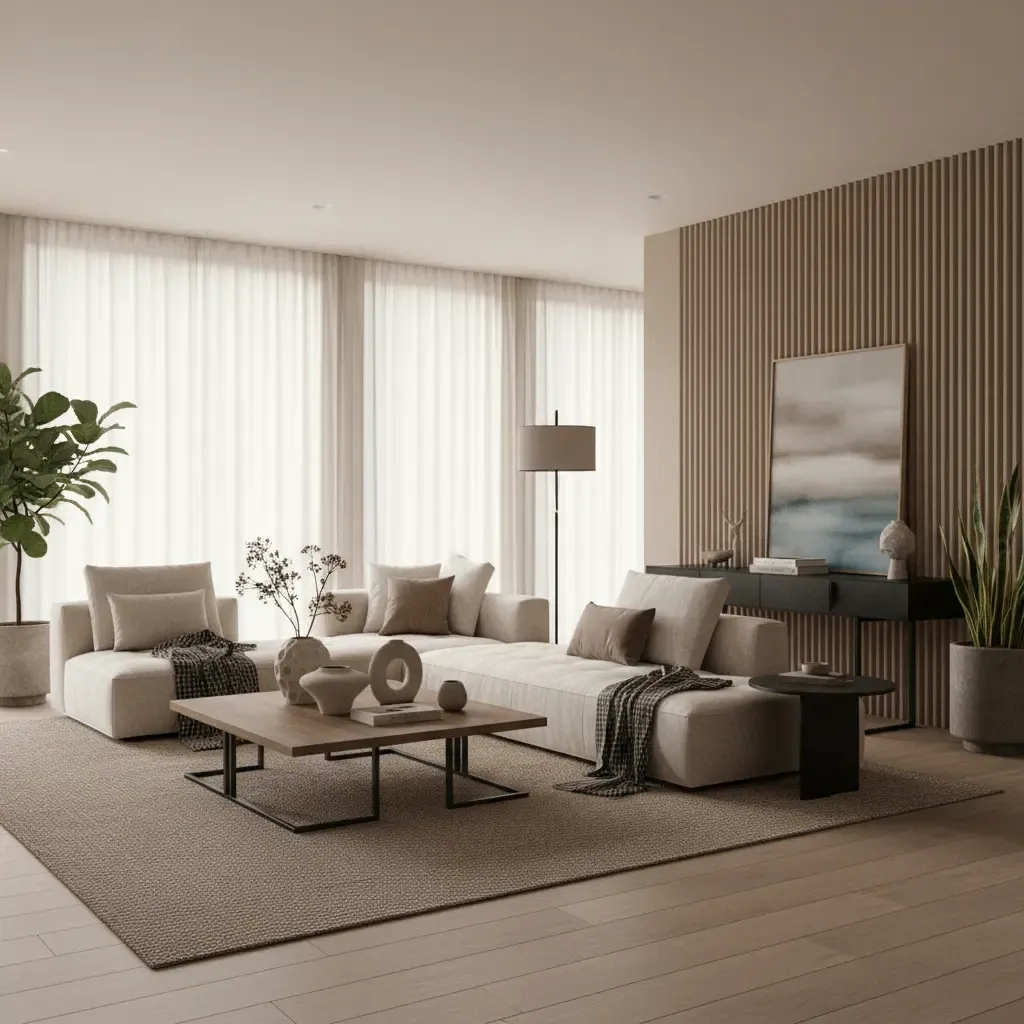
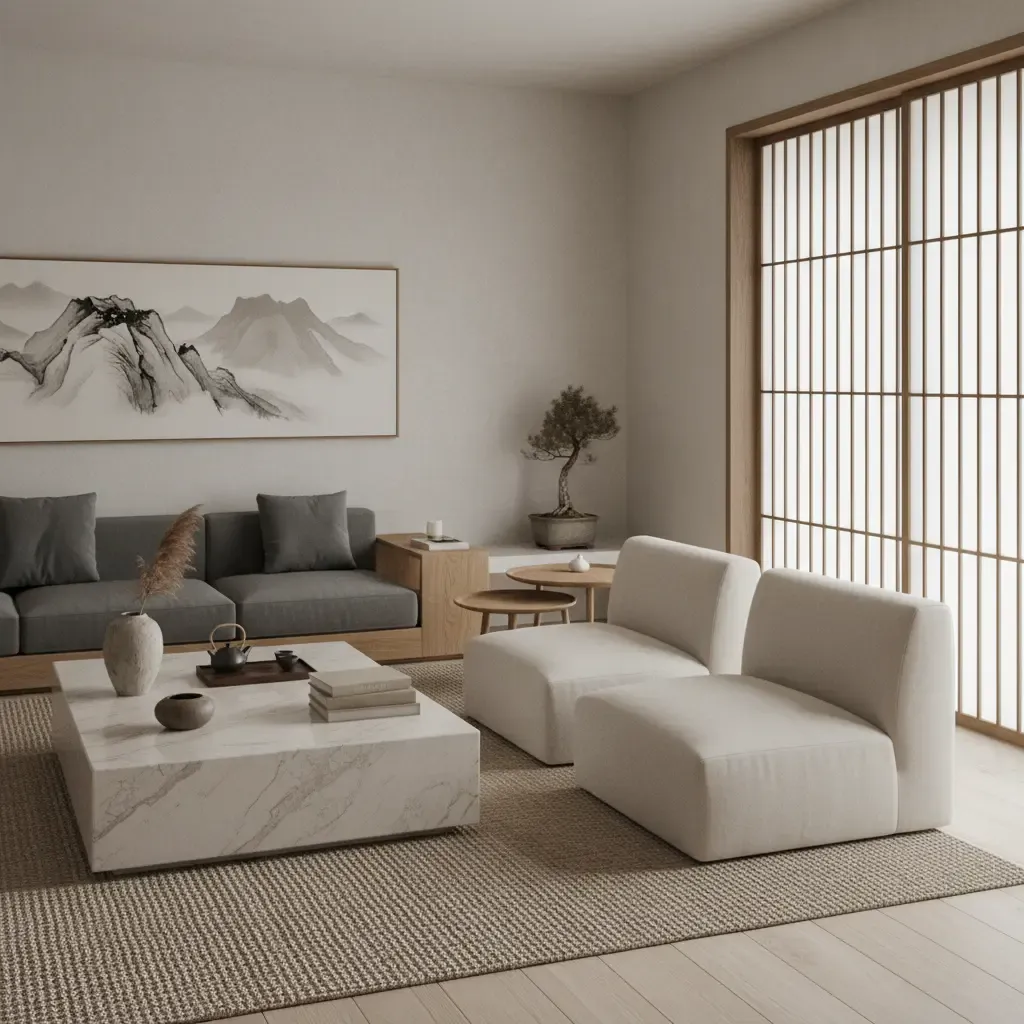
Pair limewashed white oak flooring with warm mushroom-hued walls (think Benjamin Moore Revere Pewter) to create an inviting base. Choose a low-profile sofa in natural linen with clean lines, complemented by a round natural rattan coffee table. Add texture with a cream bouclé throw and soft wool rug. This combo works by balancing cool wood tones with warm neutrals, maintaining lightness and tactile comfort without clutter.
Old-World Elegance
Incorporate Venetian plaster walls in a soft taupe shade to add depth and artisanal texture. Anchor the space with a dark walnut credenza and velvet upholstery in deep emerald green. Accents of unlacquered brass—such as lamp bases or cabinet pulls—introduce warmth and sophistication. This style thrives on layering rich materials and tactile contrasts, offering an aspirational look that pairs well with classic proportions.
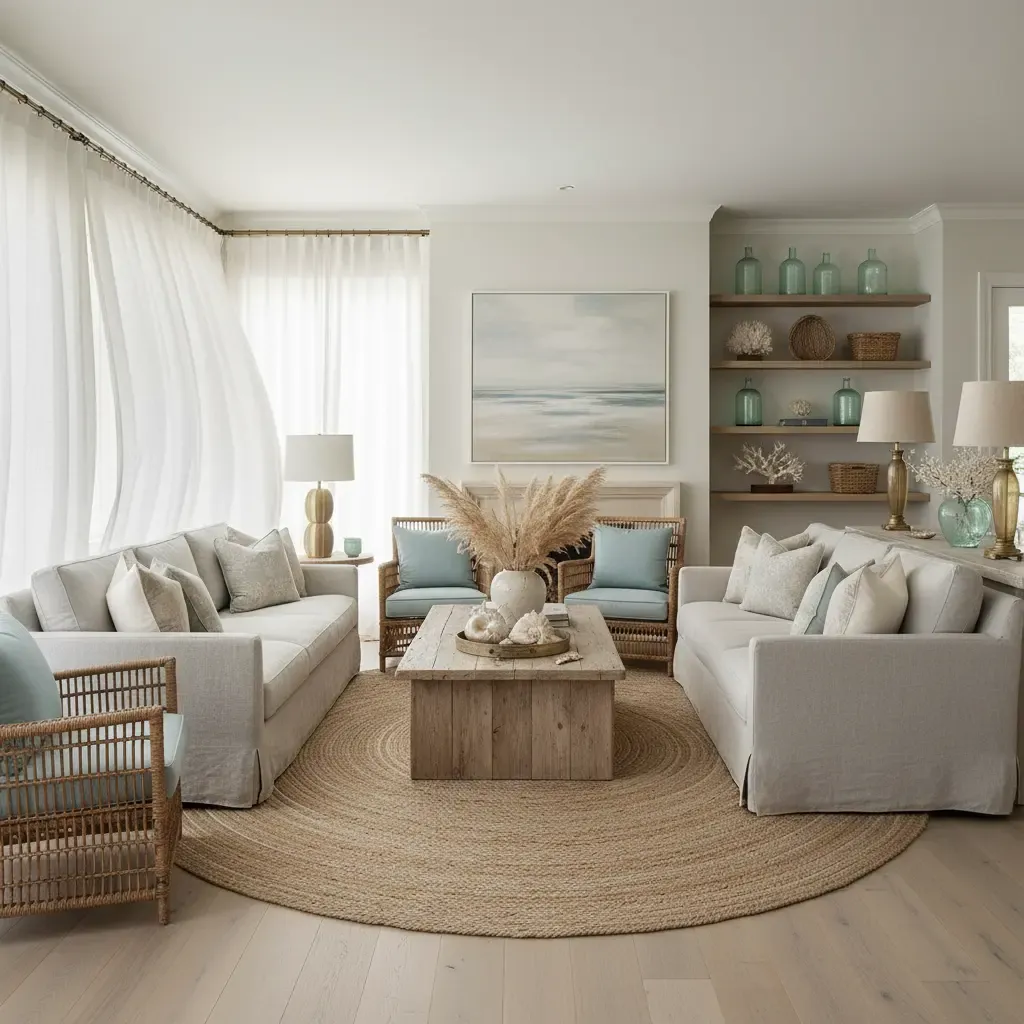
Coastal Minimalism
Use crisp Swiss Coffee paint on walls to reflect abundant natural light and amplify airy vibes. Combine with bleached white oak floors and woven seagrass rugs for texture. Furniture should be streamlined—think a low-profile sectional in light gray microfiber and glass-topped side tables with brushed nickel bases. This approach leverages simplicity and fresh materials to create a serene retreat that feels expansive and relaxed.
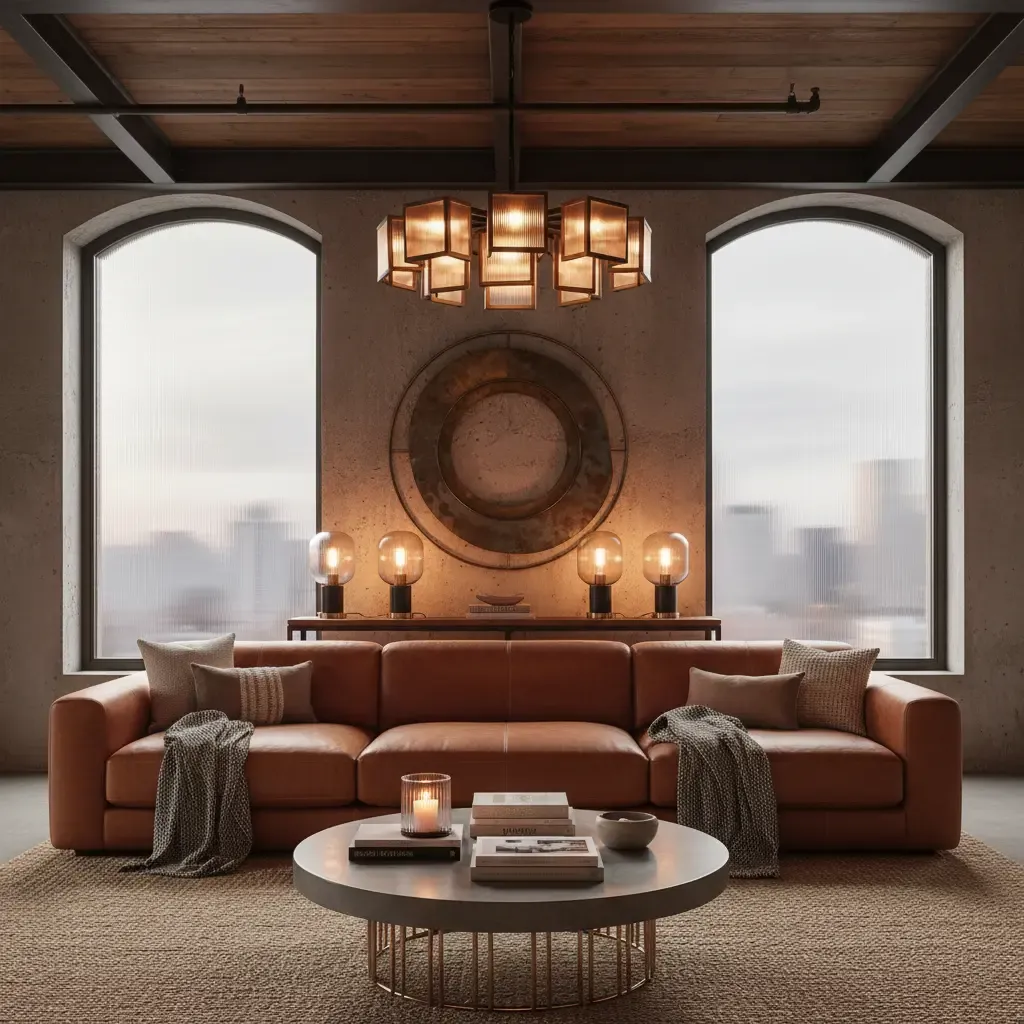
Urban Industrial Chic
Exposed concrete or matte grey walls paired with warm travertine tiles bring raw yet refined energy. Furnish with leather armchairs in a cognac tone and black steel-framed coffee tables. Incorporate vintage Edison bulbs and open shelving for an edgy vibe. The interplay of hard and soft materials—stone and leather, metal and wood—grounds the aesthetic and ensures tactile richness alongside visual intrigue.
Materials & Palette
- • Limewashed white oak flooring — grounds the room while reflecting light. Pair with linen upholstery and unlacquered brass pulls. Budget alternative: vinyl plank in a matte ash tone.
- • Venetian plaster walls in warm taupe — adds artisanal texture and subtle color shifts. Ideal for living rooms or dining areas. Budget alternative: textured paint in a similar shade.
- • Bouclé upholstery in cream or warm mushroom — adds softness and tactile interest to seating. Works beautifully in sofas and accent chairs. Budget alternative: textured boucle-look fabric blends.
- • Travertine tiles with honed finish — brings natural veining and warmth to kitchens or bathrooms. Pair with brushed nickel fixtures. Budget alternative: porcelain tiles mimicking travertine patterns.
Designer's Tip
When budgeting for an interior designer, don't overlook the importance of lighting layers. Choosing quality fixtures with dimmers and mixing materials like unlacquered brass and frosted glass can transform a room’s mood and perceived value far beyond the initial cost of the fixture itself.
Layout & Styling Moves
- Ensure all primary seating has front legs on the rug — this anchors the space and prevents the rug from feeling too small. Aim for a rug at least 60cm wider than the seating group.
- Keep your main seating group within a 2.5m radius for comfortable conversation and traffic flow. Larger rooms may require sectional or modular seating to fill the space proportionally.
- Coffee tables should be roughly 40-45cm high — about level with sofa seat cushions. Too high or low disrupts usability and visual balance.
- Leave at least 45cm clearance around dining tables or sofas for easy movement. Cramped layouts often lead to frustration and limit functionality.
Pros & Cons
+ Advantages
- + Access to expert knowledge — designers understand scale, color theory, and finishes that create cohesive spaces.
- + Time savings — professionals handle sourcing, contractor coordination, and troubleshooting.
- + Access to trade-only materials and furnishings that elevate a room beyond retail offerings.
- + Improved resale value — well-designed spaces attract buyers and appraisers.
- Considerations
- - Cost can be prohibitive for smaller budgets, especially when layered with material and furnishing expenses.
- - Some designers’ fees are opaque or include markups on products, leading to hidden costs.
- - Must carefully vet designer style and communication—misalignment wastes time and money.
How to visualize this with Tigmi
-
1
Take a photo of your room in natural daylight from a corner for an accurate read of proportions and lighting.
-
2
Use Tigmi to experiment with paint colors, flooring materials, and furniture layouts to visualize impact without cost.
-
3
Adjust materials and colors digitally based on your budget before committing to purchases or designer consultations.
-
4
Share your digital makeover with your interior designer or contractor for clearer communication and fewer revisions.
Key Takeaways
-
1
Interior designer costs reflect expertise, time, and access — understanding this helps avoid budget surprises.
-
2
Smart material and color choices (like Venetian plaster vs textured paint) balance aspirational looks with affordability.
-
3
Proper furniture sizing and layout rules prevent costly last-minute purchases and improve room flow.
-
4
AI tools like Tigmi enable testing ideas before spending, making your budget work harder and smarter.
Frequently Asked Questions
How much does an interior designer typically cost?
Interior designer fees generally range from $100 to $250 per hour, or 10-20% of your total project budget. Fixed or flat fees are also common for specific services. Knowing these structures upfront helps you plan realistically and avoid surprise expenses.
Can I hire an interior designer for just one room?
Absolutely. Many designers offer room-specific services or consultations, which can cost less than whole-home projects. This targeted approach is great for testing ideas and getting expert input on key design challenges.
What materials typically increase the cost of a design project?
Natural stones like travertine or marble, custom Venetian plaster walls, and bespoke furniture elevate costs. Choosing alternatives like porcelain tiles or quality textured paint can replicate the look on a budget.
How can I avoid costly mistakes when working with an interior designer?
Communicate clearly about your style, budget, and priorities. Request detailed proposals and timelines. Use visualization tools like Tigmi to preview ideas and ensure alignment before purchase.
Are there budget-friendly ways to get designer style?
Yes. Focus on key elements like paint color, lighting, and texture. Mixing budget-friendly materials like vinyl planks or boucle-look fabrics with one or two statement pieces can create aspirational spaces affordably.
How do lighting choices affect interior design costs?
Lighting influences atmosphere and functionality—quality fixtures may have higher upfront costs but enhance mood and longevity. Layered lighting with dimmers and mixed materials offers the best return on investment.
Ready to see it in your room?
Try visualizing your interior designer budget with Tigmi to see how different materials and layouts perform in your own space before spending a dime.
Explore more with Tigmi
- AI Interior Design Studio — Overview of the core room redesign workflow.
- AI Room Makeover — Room-by-room transformations with presets and Room Lock.
- AI Virtual Staging — Stage empty spaces for listings in minutes.
- Style Gallery — Browse 16+ style presets and example renders.
- Pricing & Plans — Compare free and pro tiers before you start.